Tech
AI in Hospitality: Transforming Guest Experiences with Intelligent Innovation
 5 min read
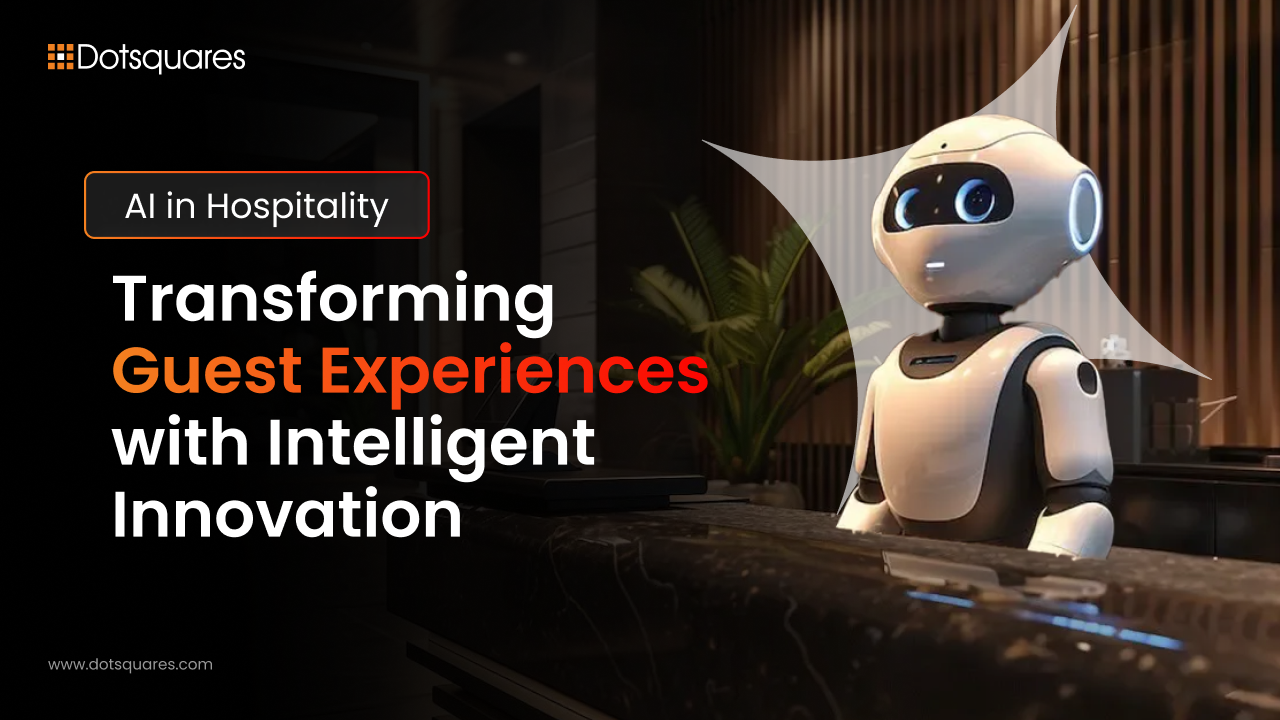
A few decades back, assuming machines making decisions, understanding human languages and assuming human needs was like thinking of a science fiction movie. Surprisingly, today the scenario has changed completely; the invention of Artificial Intelligence (AI) has made everything possible. However, there are many people who link AI with the use of tools like chatbots or voice assistants, but AI has made its deep entrance in our daily life routine.
The changes introduced by the use of AI are beyond the tech world. Today, AI has marked its strong entrance in every industry, in fact, even in those industries which were previously mainly managed by humans. One such industry which has witnessed a remarkable change in its functioning is the hospitality industry, especially with the growing role of AI in Marketing and customer engagement.
What Is AI in the Hospitality Industry?
In simple words, AI refers to systems that can think, learn, and capable of performing tasks typically requiring human intelligence. In hospitality, AI is reshaping how hotels, resorts, and service providers operate. Whether it is anticipating preference of guests or automating backend operations, AI makes it easier for hotels to provide improved guest service and enhance their satisfaction while improving efficiency.
Instead of replacing human interaction, AI complements it by streamlining routine processes and allowing staff to focus on delivering meaningful, personalised experiences.
Use Cases of AI-Powered Solutions in Hospitality
Smart Check-In and Check-Out
The check-in and check-out times in all hotels are almost the same. These are the hours when you can see long queues waiting for their turn to complete the process of checking in and out. Interestingly, today the scene has changed completely. The implementation of smart check-in and check-out systems allow guests to scan a QR code or use facial recognition for smooth entry and exit. The increasing use of mobile apps and digital kiosks reduces waiting times and enhances convenience. Now, almost all visitors prefer contactless check-out options. This indicates that with small technological upgrades, guest satisfaction can take the hotel business to the next level.
AI-Driven Customer Service
The use of chatbots and virtual assistants provides quick responses to guest inquiries related to room service, amenities, or reservation changes. The use of AI-powered systems ensures 24/7 support, reduces response times, and allows staff to focus on the specific requirements of guests.
Personalised Guest Experiences
Based on the available customer data, AI analyses their preferences like the type of room guests will prefer, dining habits, and past bookings to create tailored experiences. This is where Strategic AI Solutions play a key role in delivering highly personalised services.Based on this analysis of data, hotels try to decorate their rooms and provide other services. Imagine entering a hotel room where the lighting and temperature are already adjusted according to your preferred settings. Hotels can also send personalised offers, recommend activities, and suggest dining options based on previous stays.
Automating Daily Tasks
The implementation of AI technology makes it easier to automate the process of room booking, confirmation of bookings, billing, and inventory management. The application of predictive technology also assists in the management of food and beverages inventory, thus reducing wastage. Automation of tasks also reduces the chances of errors and enables employees to undertake other tasks instead of doing repetitive work.
Predictive Maintenance
Artificial intelligence technology can also be applied to monitor the performance of internal electric appliances such as HVAC, elevators, and other essential equipment. AI technology implementation makes it easier to identify early signs of potential breakdowns, thus making it easier for the hotel to perform predictive maintenance.
Enhanced Customer Satisfaction
Expectations of every customer is different from other and providing them with instant and personalised experiences gain the confidence of customers.
Streamlined Operations
AI is capable of processing large volumes of data to optimise scheduling, logistics, and maintenance planning.
Challenges of Implementing AI
Despite its benefits, AI adoption comes with challenges:
• High Implementation Costs:
With its invention, the AI technology has undergone vast developments and continues to evolve at jet dynamic speed. The AI systems in today’s scenario are enriched with the latest software and hardware. Initiating an AI system in their operations requires substantial funds, which can be difficult for small hotels and restaurants.
• Data Privacy Concerns:
With the increasing number of data breaches, protecting sensitive guest information is quite difficult for every industry.
• Staff Resistance:
The introduction of AI in operations may develop feelings of insecurity in employees. They may also struggle with adapting to new technologies, making training essential.
Dotsquares’ Approach to AI in Hospitality
Retaining the human AI solutions provided by Dotsquares retains the human feelings and aim of enhance excellence in operations. With expertise in Custom AI Development , AI Consulting and Strategic Services, our approach includes the following:
- Analysis of the visitor flow and the provision of their desired services.
- Analysis of the use cases and ROI of AI.
- Integration of PMS, CRM, booking engines, and POS systems.
- Development of a relevant AI model.
- Monitoring and optimisation.
Key Benefits:
• Personalised guest experiences
• Staff members are competent to perform tasks requiring unique knowledge and skills.
• Predictive analysis for operational efficiency
• Smart pricing
• Uniform brand experiences across hotels
We also have effective solutions for rectifying issues such as disturbed data, employee turnover, service variability, and AI model performance.
Future of AI in Hospitality
The main objective of AI integration in the hospitality industry is replacing humans; it’s about making their tasks simple and helping them smartly. AI will make it easier for hotels and restaurants to anticipate the needs of their guests, provide real-time information to employees and management, and deliver experiences that feel genuinely personal.
Hotels that will adopt AI in a planned way will build a strong customer base, increase operational resilience, and provide them with a comfortable stay that combines the perfect combination of the latest technology and the warmth of human service.


Related Post
 October 15, 2026
Low-Code Integration: What It Is, How It Works and When Businesses Should Use It
Learn how low-code integration connects business apps and APIs, its key benefits, common use cases, limitations, and when to choose custom integration.
Keep Reading October 15, 2026
SAP BW to Cloud Migration: Benefits, Challenges and Planning Steps
Learn about SAP BW to cloud migration, including benefits, challenges, AWS options, cost factors and planning steps for a successful migration.
Keep Reading October 12, 2026
Mobile App Development with React Native and What You Need to Know
Learn how React Native works, where it saves time and cost, which industries use it, and whether it's still a good choice in 2026.
Keep Reading