Tech
Modernizing Traffic Management with AI and Real-Time Monitoring
 5 min read
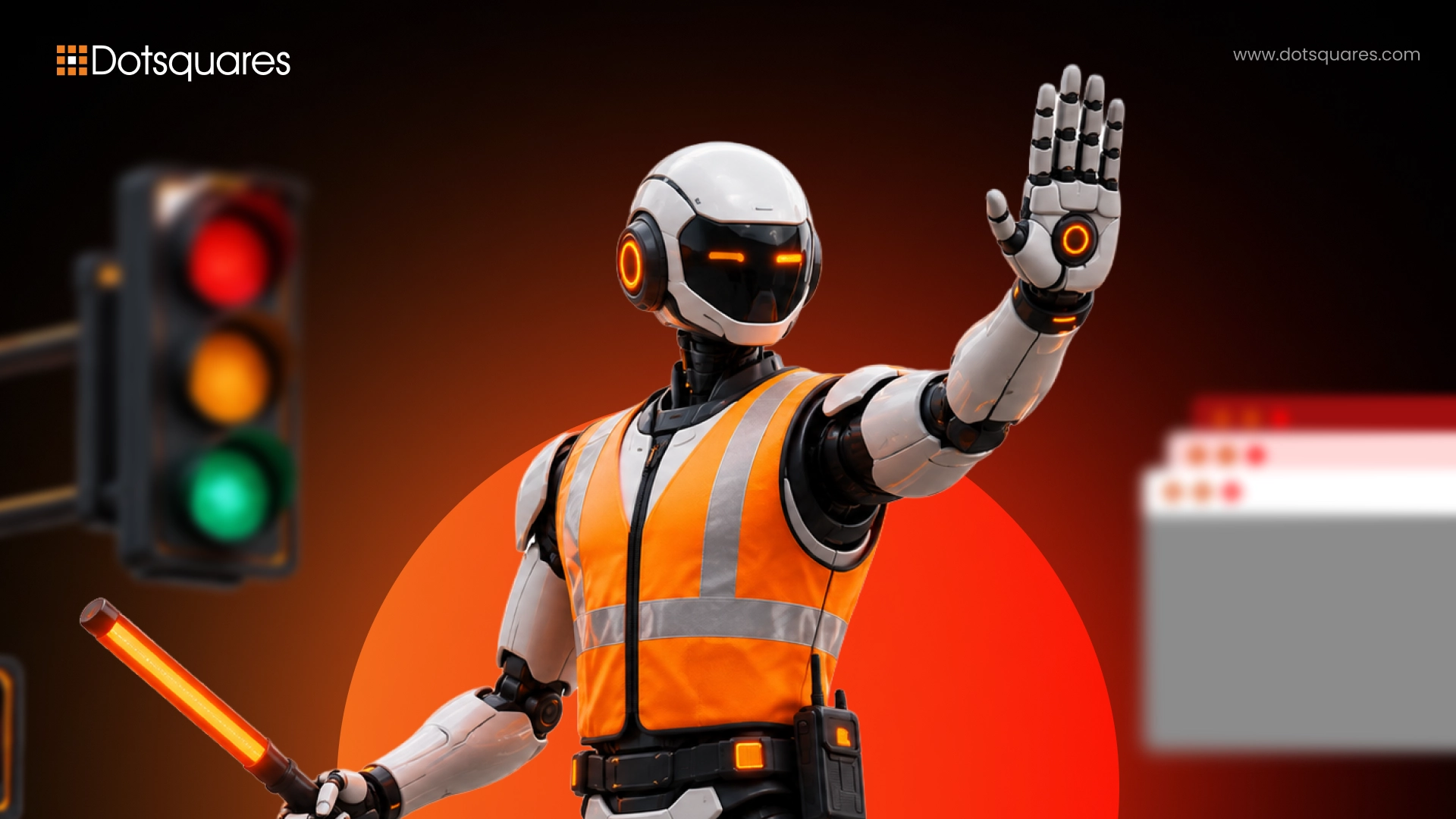
Sit in traffic long enough in any growing city, and you start wondering why nobody seems to actually know what's happening at the intersection two blocks ahead. The uncomfortable truth is, most traffic authorities don't. Congestion gets managed the way it's been managed for decades: cameras that nobody's watching in real time, manual reports, and traffic teams reacting to problems well after they've already backed up half a district.
We set out to change that equation, building a platform that gives traffic authorities actual, real-time visibility into what's happening across an entire city, not a summary from yesterday, but a live, intelligent read on the roads right now. Here's how it came together.
Why Traffic Management Still Runs on Guesswork
Urban traffic isn't short on data, cameras are everywhere, sensors exist, reports get filed. What's missing is the connective tissue that turns all of that into something a human can actually act on in the moment. Without it, authorities are left managing a live, constantly shifting problem with tools that were never built for real-time decisions, and the gap only widens as more vehicles hit the road every year.
The Problems Slowing Cities Down
A handful of specific, recurring issues kept surfacing in how traffic gets managed today, each one compounding the others.
Not Enough Eyes on the Road, Literally
Traffic authorities had no real-time insight into road conditions, which made it genuinely difficult to track congestion, accidents, or traffic flow across more than one location at a time.
Manual Monitoring Was Always Playing Catch-Up
Traditional traffic management still leans heavily on manual observation and systems that don't talk to each other, which naturally means delays, human error, and slower responses than the situation actually calls for.
More Vehicles, Same Old Infrastructure
Rapid urbanisation keeps adding vehicles to roads that weren't built to handle the volume, and without intelligent traffic control, that just translates into heavier congestion and longer commutes with no real mechanism to ease it.
Watching Dozens of Cameras Without a Single System
Managing multiple traffic cameras and intersections without any centralised system is operationally messy, it slows down response times and makes coordination between different traffic teams far harder than it should be.
Decisions Made Without Real Data Behind Them
Without proper analytics, authorities were largely optimising traffic signals and planning infrastructure based on instinct and historical habit, not actual, current traffic trends.
Real-Time Video at Scale Is a Genuinely Hard Computing Problem
Processing live video streams from multiple sources simultaneously demands serious computational power and infrastructure that can scale, something traditional traffic systems simply weren't built to support.
Building a Platform That Actually Sees the City
The solution needed to do more than digitise existing processes; it needed to give traffic authorities a genuinely intelligent, real-time read on their roads.
Teaching the System to Recognise What's on the Road
Using custom AI development solutions based on computer vision and machine learning models, the platform automatically detects and classifies vehicles, cars, buses, trucks, motorcycles directly from live camera feeds, turning raw video into structured, usable data the moment it's captured.
One Dashboard, Every Intersection
A centralised, web-based dashboard lets traffic authorities monitor multiple locations at once, watch live feeds, and track conditions in real time, replacing what used to be a scattered, location-by-location process with a single point of visibility.
Spotting Congestion Before It Becomes Gridlock
The system analyses vehicle movement and flow patterns through AI development services to identify congestion zones and bottlenecks as they form, giving authorities the information needed to optimise signal timing before a slowdown turns into a full standstill.
Turning Raw Traffic Data Into Real Planning Insight
Beyond the live view, the platform processes traffic data into genuinely useful reporting, peak hours, traffic trends, road usage patterns, giving city planners the kind of long-term insight that used to require months of manual analysis.
Built to Handle More Cameras, Not Just the First Few
The platform supports seamless integration of multiple traffic cameras on scalable cloud infrastructure, so performance holds up as more locations and more data get added over time, not just in a controlled pilot environment.
Catching the Unusual Before It Escalates
The system is built to identify unusual traffic patterns, potential accidents, or anomalies on its own, and alert authorities immediately so response teams can act fast instead of finding out after the fact.
What Changed Once the Platform Went Live
The shift from reactive, manual traffic management to a live, intelligent system showed up in several concrete ways.
- Real, live visibility. Authorities now have instant access to live traffic data across multiple locations at once, which translates directly into faster, more confident decision-making.
- A lot less manual effort. Automation removed the need for constant manual traffic monitoring, cutting down both the workload and the human error that came with it.
- Smoother traffic flow overall. Data-driven insights now inform signal timing and congestion response, leading to noticeably smoother movement through previously problematic areas.
- A real foundation for smart city growth. The platform's scalable, intelligent infrastructure gives cities a genuine starting point for broader smart city initiatives, not just a standalone traffic tool.
The Bigger Picture This Project Points To
This platform is proof of what happens when real-time, continuous monitoring, deep digging with data through advanced analytics, and a very flexible, scalable infrastructure system work together - not just as separate systems that may or may not talk with each other. It reveals the power of AI and smart technology to radically change how traffic flow is managed by taking it out of human hands and replacing it with computerised traffic flow guidance, which is really, really proactive and driven from real data - a feature that is extremely important for road safety, for commute times, and for how a city's preparedness for future smart infrastructure is.
If your organisation is looking at how AI could bring real visibility and control to a large-scale, real-time operation, whether that's traffic, logistics, or something else entirely, this is exactly the kind of problem our team likes solving. Get in touch with Dotsquares to talk through what an intelligent monitoring platform could look like for your city or business


Related Post
 October 15, 2026
Low-Code Integration: What It Is, How It Works and When Businesses Should Use It
Learn how low-code integration connects business apps and APIs, its key benefits, common use cases, limitations, and when to choose custom integration.
Keep Reading October 15, 2026
SAP BW to Cloud Migration: Benefits, Challenges and Planning Steps
Learn about SAP BW to cloud migration, including benefits, challenges, AWS options, cost factors and planning steps for a successful migration.
Keep Reading October 12, 2026
Mobile App Development with React Native and What You Need to Know
Learn how React Native works, where it saves time and cost, which industries use it, and whether it's still a good choice in 2026.
Keep Reading