Tech
Smart Contract Automation for Businesses: Use Cases and Benefits
 4 min read
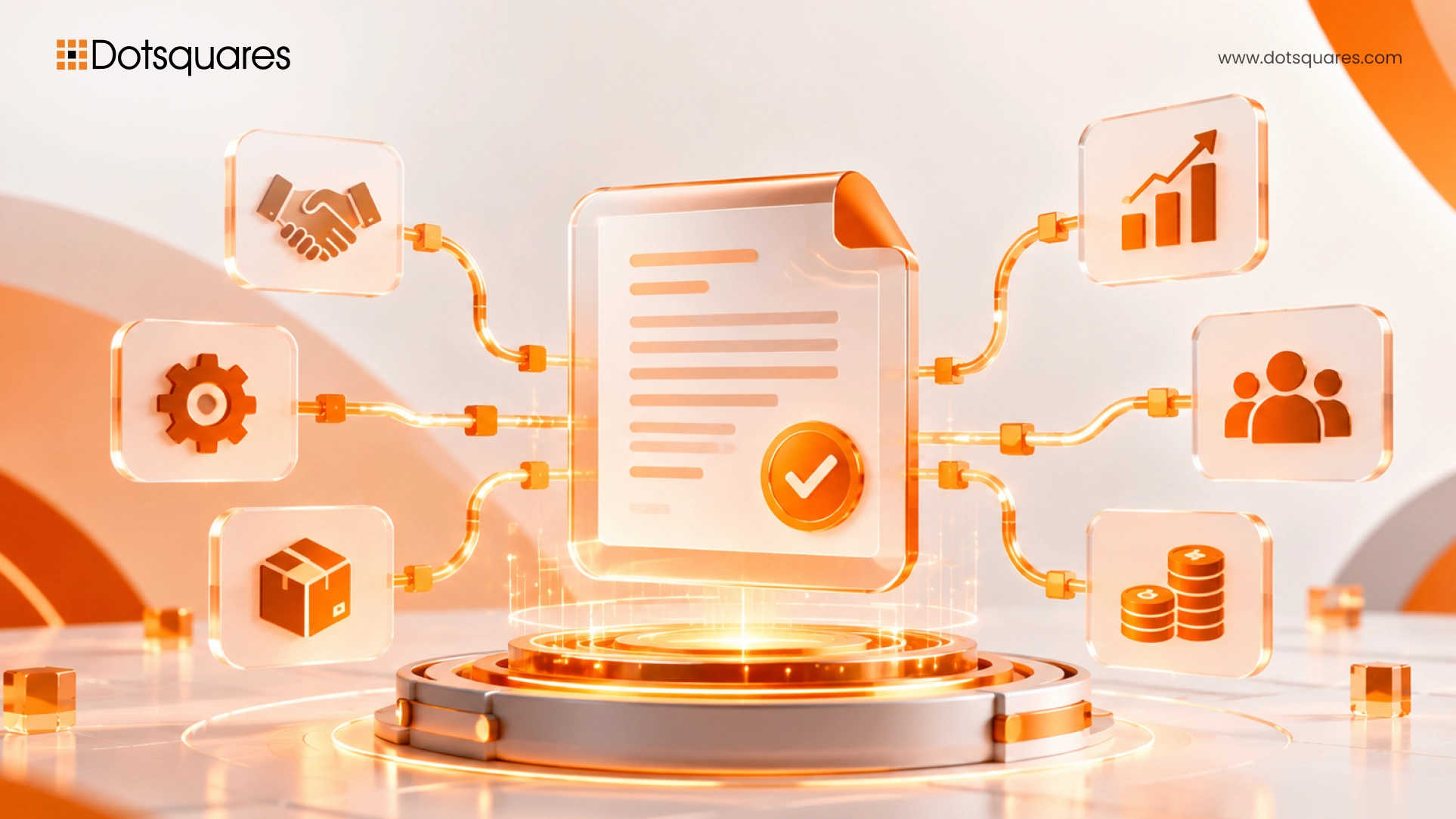
Businesses are always looking for ways to cut down their operational cost, boost their working efficiency and make transactions safer. Earlier all these tasks were time-consuming due to excessive paperwork, approvals, the presence of middlemen and delays. Smart contract automation provides a way to fix these problems by using blockchain to run agreements automatically when the set conditions are met.
From money transfers to supply chain work, smart contracts can help businesses make operations simpler, cut admin costs and boost transparency. Knowing the use cases and benefits can help organisations decide where smart contract automation fits into their changes.
What Is Smart Contract Automation?
A smart contract is a computer program that lives on a blockchain and automatically does tasks when the set conditions are met. Those tasks can be paying out money, updating records, moving assets or giving access to services.
For example, a business can make a contract that pays a supplier after the delivery is confirmed and the needed conditions are met. Instead of depending on manual approvals, the smart contract follows its programmed rules.
Smart contract automation blends blockchain with business rules to make transactions more consistent, traceable and efficient. Still, outside information like delivery confirmation or market prices may need data sources to trigger the smart contract correctly.
Key Use Cases of Smart Contract Automation
1. Supply Chain Management
Supply chains involve manufacturers, suppliers, distributors, logistics providers and retailers. Getting information to move smoothly between these parties can be hard.
Smart contracts can automate payments and update transaction records as soon as goods are delivered or when goods are delivered according to instructions. They can also help track products by logging events on a blockchain.
This can cut paperwork, improve coordination and help businesses spot delays faster.
2. Automated Payments and Financial Transactions
Financial work often needs invoices, approvals, reconciliation and payment checks. Smart contracts can automate parts by executing payments when the agreed conditions happen.
For example, a company can use a contract to pay after a service milestone is approved. This can cut processing delays, reduce admin tasks and improve payment clarity.
Financial automation still needs controls, especially when there are refunds, disputes or regulatory rules.
3. Insurance Claims Processing
Insurance firms have to make the payment of claims after verifying documents and check the eligibility of the claim demanded. Smart contracts can automate some parts of claims processing using set rules and verified data.
For example, a travel insurance policy could trigger a payment when a qualifying flight delay is confirmed by a trusted data source and the policy conditions are met.
This method can speed up claims and cut manual work. Complex cases may still need review and approval.
4. Digital Identity and Access Management
Businesses need ways to check identities and control access to digital services. Smart contracts can help with permission management, credential checks and controlled access to blockchain apps.
Organisations can use these systems to automate access approvals and keep records of approved actions. Sensitive personal data must be protected, because blockchain records can be hard to change or delete.
5. Estate and Digital Agreements
Property deals usually involve many parties, legal papers, payment plans and checks. Smart contracts can automate chosen tasks, like milestone payments, rental deposits and digital asset moves.
They can also help keep transaction records.
However, legal ownership changes and other regulated actions may still need paperwork, expert checks and compliance with local rules.
Major Benefits of Smart Contract Automation
Contract automation offers several advantages for businesses:
- Reduced operational costs: Automating repeated work can cut admin costs and lessen the need for manual steps.
- Transactions: Payments, approvals and other actions can happen automatically when the required conditions are satisfied.
- Improved transparency: Blockchain records let authorised people verify transactions and keep track of actions.
- Fewer manual errors: Set rules cut mistakes that come from data entry and uneven processes.
- Security: Blockchain can make records hard to change without being noticed, depending on the network and design.
- Greater accountability: Automated work and transaction records can improve audits. It helps businesses keep track of compliance.
Challenges Businesses Should Consider
With its benefits, smart contract automation has some limits.
Coding mistakes can cause irreversible transactions.
Blockchain integration may need skills and money, while transaction fees and network speed can affect operating costs.
Businesses must also think about data privacy, legal enforceability, regulatory requirements and the reliability of data sources. Thorough testing, security audits, access controls and proper dispute resolution procedures are essential before deployment. Read our article on smart contract security best practices to understand each of these deeply.
Conclusion
Smart contract automation can help businesses streamline payments, improve supply chain coordination, simplify insurance processes and manage agreements more efficiently. The greatest value of contract automation comes from automating processes that rely on clear rules and verifiable conditions.
By identifying use cases addressing security risks and integrating smart contracts with existing systems, businesses can improve operational efficiency and build more transparent digital workflows. A planned implementation can make smart contract solutions a valuable part of a company's long-term technology strategy.


Related Post
 November 04, 2026
Smart Contract Automation for Businesses: Use Cases and Benefits
Explore smart contract automation for businesses, including its key use cases, benefits, cost savings, security advantages and challenges across different industries.
Keep Reading November 04, 2026
ERP Implementation Cost in 2026: A Complete Business Guide
How much does ERP cost in 2026? Get a clear breakdown of ERP implementation cost, ERP development cost, hidden fees & budgeting tips. Read now.
Keep Reading November 03, 2026
Salesforce Apex Triggers vs Flows: Which Should You Use?
Compare Apex Triggers vs Salesforce Flow to understand their differences, types, use cases, performance and maintenance, and choose the right automation approach for your business.
Keep Reading