
Is Your Business AI-Ready?

Tech
 5 min read
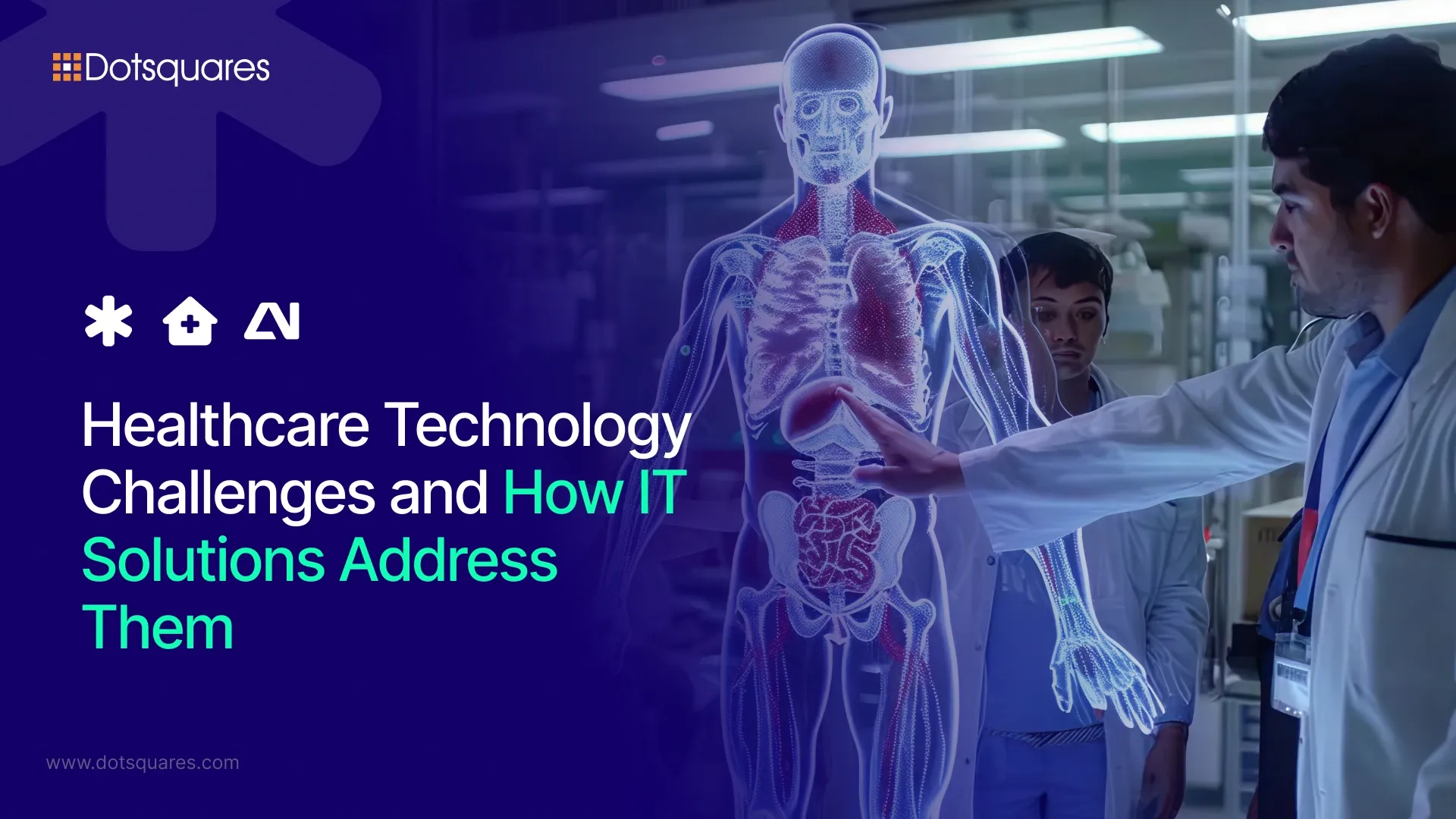
Walk into any hospital administrative office and ask what slows the team down most. You will not hear ‘patient volume’ or ‘staffing.’ What you will hear is frustration about software that was not built for them and about systems and processes that have been patched so many times that nobody is sure what the original version looked like.
Healthcare is one of the most demanding operational environments in the world, and the technology running underneath it, in many organisations, has not kept up with that demand. That mismatch has real consequences for staff time and ultimately affects both patient experience and the quality of care.
This is the problem that comes up more than any other. A patient arrives, and their information is split across multiple platforms. Lab results sit in one system, medication history lives in another and previous visit notes require a separate login. Clinicians piece together a picture from fragments when they should have everything in front of them from the start.
The risk here goes beyond inconvenience. When care teams work from incomplete data, errors happen. Tests get repeated unnecessarily and allergies get missed. Decisions get delayed while someone tracks down a record that should have been a single click away.
IT solutions for the healthcare industry address this by creating integrated environments where data flows between departments without manual effort. The technology itself is not new. What is hard is building it correctly for a specific hospital or clinic setup, and that is where most organisations struggle without the right development partner.
People book flights and manage investments entirely from their phones. Then they need to see a doctor, and suddenly they are calling a front desk, waiting on hold and hoping someone picks up before lunch.
That contrast is not lost on patients. Healthcare mobile app development has become a genuine differentiator for organisations willing to invest in it. A patient app that handles scheduling, test results, prescription reminders and direct messaging with care teams changes how patients experience the entire relationship with their provider.
What makes healthcare app development different from building a regular consumer product is the layer of complexity underneath. On one hand, the app has to work for a 70-year-old who is not comfortable with technology and on the other, it has to perform on older phones. Every solution Dotsquares builds for the healthcare sector is developed in line with HIPAA, GDPR and any regional data regulations that apply to that specific organisation. Healthcare app development companies that have shipped real products in clinical settings understand these constraints. Those coming from outside the industry often underestimate how much they matter until something goes wrong post-launch.
Old systems do not fail loudly. They fail slowly, through workarounds that become standard practice, manual data entry that introduces errors, and IT teams spending most of their time maintaining instead of improving. Staff adapt. Managers accept it. And the cost of staying on the old system, in time, errors and missed opportunities becomes invisible because it is spread across hundreds of small daily frustrations.
Legacy systems rarely break in obvious ways. Instead, they wear organisations down gradually through routine workarounds and manual data entry that increases errors, while IT teams are forced to focus on maintenance rather than improvement. Staff adjust, managers grow used to the limitations and the true cost of staying on outdated systems, in lost time and preventable mistakes fade from view because they are dispersed across countless small frustrations each day.
Replacing a legacy system is not a small decision. Disruption is a real concern, and it is reasonable to be cautious about it. But organisations that have made the switch to custom-built solutions designed around their actual workflows almost universally report that the transition was worth it. The keyword is ‘custom.’ A generic platform dropped into a clinical environment rarely fits the way the team works. A solution built around real workflows does.
Medical website design does not get the attention it deserves, particularly at independent practices and specialist clinics. The assumption tends to be that referrals and reputation carry the load. They do, until a competitor launches a site that loads in two seconds, clearly lists every service and lets patients book directly without a phone call.
Most patients look up a provider online before doing anything else. What they find in those first thirty seconds shapes whether they follow through. A slow, cluttered or outdated site communicates something about the organisation behind it, whether that was the intention or not.
Healthcare data is among the most targeted in any sector. A breach costs far more than the immediate financial penalty. The damage to patient trust can take years to undo, and some organisations never fully recover it.
Dotsquares builds healthcare solutions that are HIPAA, GDPR and HITECH compliance available on demand, with security and regulatory standards built in from the ground up when your environment requires it. Mobile app development services that treat compliance as a core requirement from day one produce fundamentally more secure products than those that address it at the end. Encryption and access controls are built in from the ground up, giving healthcare organisations the confidence that their systems meet the regulatory standards their patients and stakeholders expect.
Most healthcare IT vendors will tell you what is trending. Dotsquares focuses on what actually works for your facility, whether the issue is disconnected data, a patient experience that needs rebuilding, or software your staff has been working around for years.
If you are done with solutions that look good in a presentation and fall short in practice, let’s have a real conversation about what your team actually needs.



 October 15, 2026
Learn how low-code integration connects business apps and APIs, its key benefits, common use cases, limitations, and when to choose custom integration.
Keep Reading October 15, 2026
Learn about SAP BW to cloud migration, including benefits, challenges, AWS options, cost factors and planning steps for a successful migration.
Keep Reading October 12, 2026
Learn how React Native works, where it saves time and cost, which industries use it, and whether it's still a good choice in 2026.
Keep Reading