 3 min read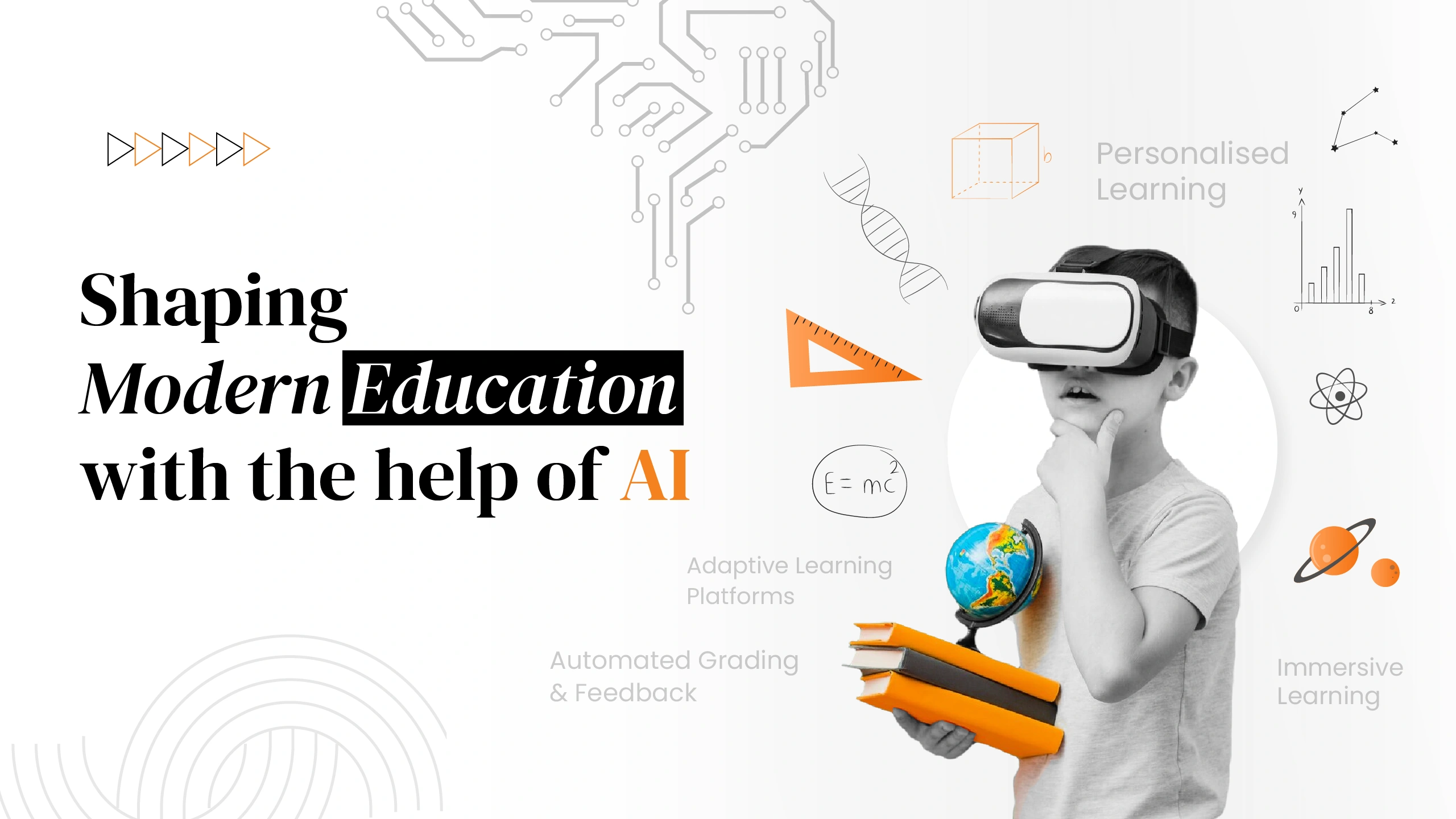
Artificial Intelligence (AI) has emerged as a transformative force in every industry. From personalised learning experiences to immersive virtual classrooms, the integration of AI into education holds the promise of a more dynamic and engaging future. AI is excellent when it comes to improving the structure of the education system with minimal workforce.
With AI and automation, you can improve your eLearning experience. It ensures that routine processes are handled efficiently. With this, you can utilise AI-driven features to provide continuous support to learners at all times.
AI for Educational Advancements
AI can be used for identifying knowledge gaps where you can enhance the education system. If you have an education business, you must integrate modern technology to offer a seamless learning experience for every student. Here are some of the uses of AI in the education industry.
- AI tools can analyse student performance data to pinpoint specific areas where students struggle, aiding teachers in tailoring interventions to address individual needs.
- AI systems can adapt learning experiences based on individual preferences and capabilities, ensuring a personalised educational journey that caters to diverse learning styles and needs.
- Leveraging AI, educators can generate digital content and receive suggestions for relevant materials, streamlining the content creation process and ensuring its alignment with curriculum objectives.
- AI facilitates the creation of efficient assessment tools, offering instant feedback to students. This expedites the evaluation process and enables timely intervention and support.
- AI can uncover trends and patterns by analysing educational data, empowering administrators to make data-driven decisions that improve educational outcomes.
- AI seamlessly integrates into online classrooms, providing additional support and enhancing the virtual learning environment for both educators and students.
- AI writers can research topics, compile relevant information, and provide a foundation for student writing, streamlining the research process and enriching academic content.
How AI is Reshaping Education
AI is making significant contributions to the field of education and learning. Here are some of the key ways in which it can help.
- AI algorithms analyses student data to identify learning styles and strengths, crafting personalised learning paths. The curriculum adapts to meet the unique needs of each student, fostering a more effective and inclusive educational experience.
- You can use AI with Virtual Reality (VR) and Augmented Reality (AR), offering immersive experiences. Students can explore 3D learning experiences and participate in historical events firsthand, transforming learning into an interactive adventure.
- AI-driven platforms adjust the difficulty of learning materials based on a student's performance, ensuring a balance between challenge and support. This dynamic approach keeps students engaged and motivated throughout their learning journey.
- AI automates the grading of tasks like multiple-choice quizzes and essays, streamlining the evaluation process. This allows educators to focus on providing personalised feedback, fostering a deeper understanding of the material.
Utilise AI for Your EdTech Business
While the integration of AI in education provides benefits, you can ensure access to technology for every student across the globe. We can help you embrace the possibilities with AI so you can utilise the technology to the fullest.
Our experts are ready to help you take the next step into the future of learning. Explore the possibilities of AI-powered eLearning platforms today and create a world of personalised learning. Join the AI revolution in education and contribute to building a future where every student has the opportunity to thrive. Want to know more? Contact our experts right now!


Related Post

 October 15, 2026
Low-Code Integration: What It Is, How It Works and When Businesses Should Use It
Learn how low-code integration connects business apps and APIs, its key benefits, common use cases, limitations, and when to choose custom integration.
Keep Reading October 15, 2026
SAP BW to Cloud Migration: Benefits, Challenges and Planning Steps
Learn about SAP BW to cloud migration, including benefits, challenges, AWS options, cost factors and planning steps for a successful migration.
Keep Reading October 12, 2026
Mobile App Development with React Native and What You Need to Know
Learn how React Native works, where it saves time and cost, which industries use it, and whether it's still a good choice in 2026.
Keep Reading