Tech
Shopify Store Audit: Identify What’s Killing Your Conversions
 4 min read
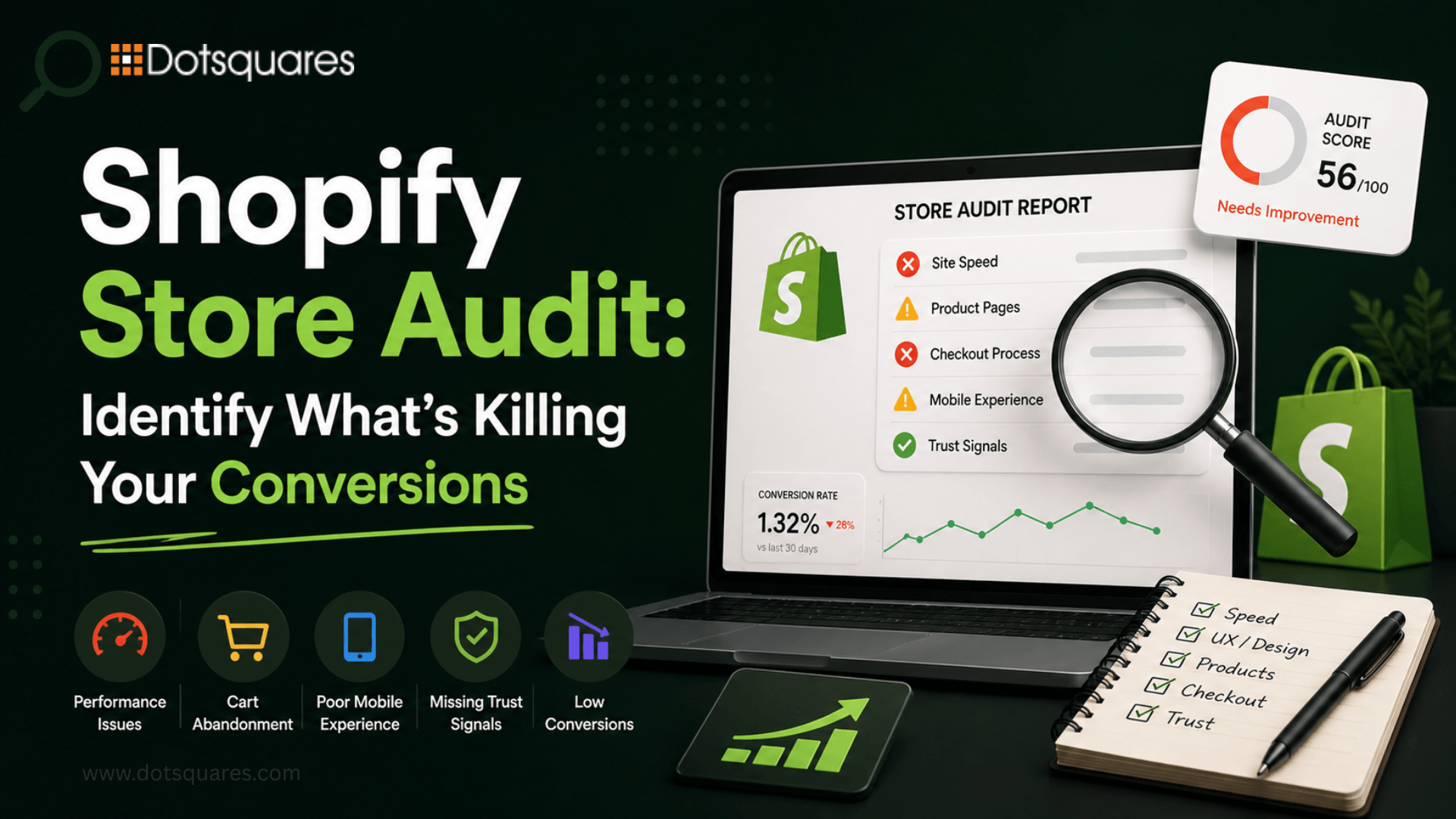
You’re getting traffic. Ads are running. Visitors are browsing your products.
But sales? Not where they should be.
This is one of the most common problems Shopify store owners face. And in most cases, the issue isn’t traffic, it’s what happens after someone lands on your store.
That’s where a Shopify store audit comes in.
What is a Shopify Store Audit?
A Shopify store audit is a structured evaluation of your online store to identify exactly where you’re losing potential customers and revenue. Instead of relying on assumptions, it uses data, user behavior insights, and proven CRO principles to uncover friction points across your website.
This includes analyzing how users navigate your store, how quickly pages load, how clearly your products are presented, and how smoothly the checkout process works. Even small issues like unclear CTAs, poor image quality, or slow mobile performance, can significantly impact conversions.
A proper audit doesn’t just highlight problems. It prioritizes them based on impact and provides actionable recommendations, so you know what to fix first to get measurable results.
Why Your Shopify Store Isn’t Converting
Most store owners assume low sales mean:
- Poor product
- Wrong pricing
- Weak marketing
But in reality, conversion issues usually come from store experience problems.
Here are the most common reasons:
1. Slow Website Speed
Speed directly impacts user behavior. If your store feels slow, visitors lose interest before even exploring your products. This often happens due to large uncompressed images, heavy themes, or too many installed apps running scripts in the background. Even a 1–2 second delay can reduce conversions significantly.
2. Confusing Navigation
Your store structure should feel effortless. When categories are unclear or menus are overcrowded, users struggle to find what they need. If customers have to think too much, they leave. A clean, logical navigation system helps users move quickly from discovery to purchase.
3. Weak Product Pages
A product page should do the selling for you. If it lacks clear visuals, benefit-driven descriptions, or real customer reviews, users hesitate. Many stores only list features, but buyers care about outcomes, how the product solves their problem or improves their life.
4. Lack of Trust Signals
Trust is a major factor in online buying decisions. If your store doesn’t show reviews, testimonials, return policies, or secure payment options, visitors may feel uncertain. Even small elements like professional design, consistent branding, and visible contact details contribute to credibility.
5. Complicated Checkout Process
Checkout should be quick and frictionless. Long forms, mandatory account creation, or hidden costs at the last step often lead to cart abandonment. Customers expect a smooth, transparent process, anything extra feels like effort and increases drop-offs.
6. Poor Mobile Experience
Most users browse and shop on mobile, but many stores still prioritize desktop design. If your buttons are too small, images don’t scale properly, or pages take too long to load, mobile users won’t convert. A seamless mobile experience is no longer optional — it’s critical.
What a Proper Shopify Audit Covers
A professional Shopify audit goes beyond basic checks and looks at your store from both a user and business perspective. It focuses on improving the entire customer journey — from first visit to final purchase.
UX & User Journey Analysis
This evaluates how easily users can navigate your store. It checks whether visitors can quickly find products, understand your offerings, and move smoothly through pages without confusion.
Homepage & Landing Page Review
Your homepage creates the first impression. An audit ensures it clearly communicates your brand, value proposition, and guides users toward key actions like browsing products or exploring collections.
Product Page Optimization
Product pages are analyzed for clarity, persuasion, and completeness. This includes reviewing product images, descriptions, pricing visibility, reviews, FAQs, and call-to-action placement.
Conversion Funnel Analysis
This identifies where users drop off , whether it’s on product pages, cart, or checkout. Understanding these drop-off points helps fix leaks in your sales funnel.
Technical & Performance Audit
Speed, responsiveness, and technical health are critical. This includes page load time, mobile responsiveness, broken links, and unnecessary scripts or apps affecting performance.
Mobile Experience Optimization
Since most traffic comes from mobile devices, the audit ensures your store is fully optimized for smaller screens, touch navigation, and fast loading.
Trust & Credibility Factors
It evaluates whether your store builds confidence through reviews, policies, secure payment badges, and clear contact information.
How an Audit Translates Into More Sales
A well-executed Shopify audit doesn’t just point out problems , it creates a roadmap for growth.
After fixes, you can expect:
- Higher conversion rates
- Better user engagement
- Lower bounce rates
- Improved ROI on ads
Instead of spending more on ads, you make existing traffic more profitable.
When Should You Get a Shopify Audit?
You should consider an audit if:
- You’re getting traffic but low sales
- Your conversion rate is below industry average
- Your store feels outdated
- You’ve never optimized after launch
Don’t Guess. Fix What’s Actually Broken.
Scaling a Shopify store without fixing conversion issues is like pouring water into a leaking bucket.
Before increasing ad spend, make sure your store is ready to convert.
If you’re serious about improving performance, it’s worth exploring a professional Shopify audit and optimization approach through our Shopify Development Services.


Related Post

 October 15, 2026
Low-Code Integration: What It Is, How It Works and When Businesses Should Use It
Learn how low-code integration connects business apps and APIs, its key benefits, common use cases, limitations, and when to choose custom integration.
Keep Reading October 15, 2026
SAP BW to Cloud Migration: Benefits, Challenges and Planning Steps
Learn about SAP BW to cloud migration, including benefits, challenges, AWS options, cost factors and planning steps for a successful migration.
Keep Reading October 12, 2026
Mobile App Development with React Native and What You Need to Know
Learn how React Native works, where it saves time and cost, which industries use it, and whether it's still a good choice in 2026.
Keep Reading