Tech
How Blockchain is Transforming Property Investment: Benefits & Use Cases
 7 min read
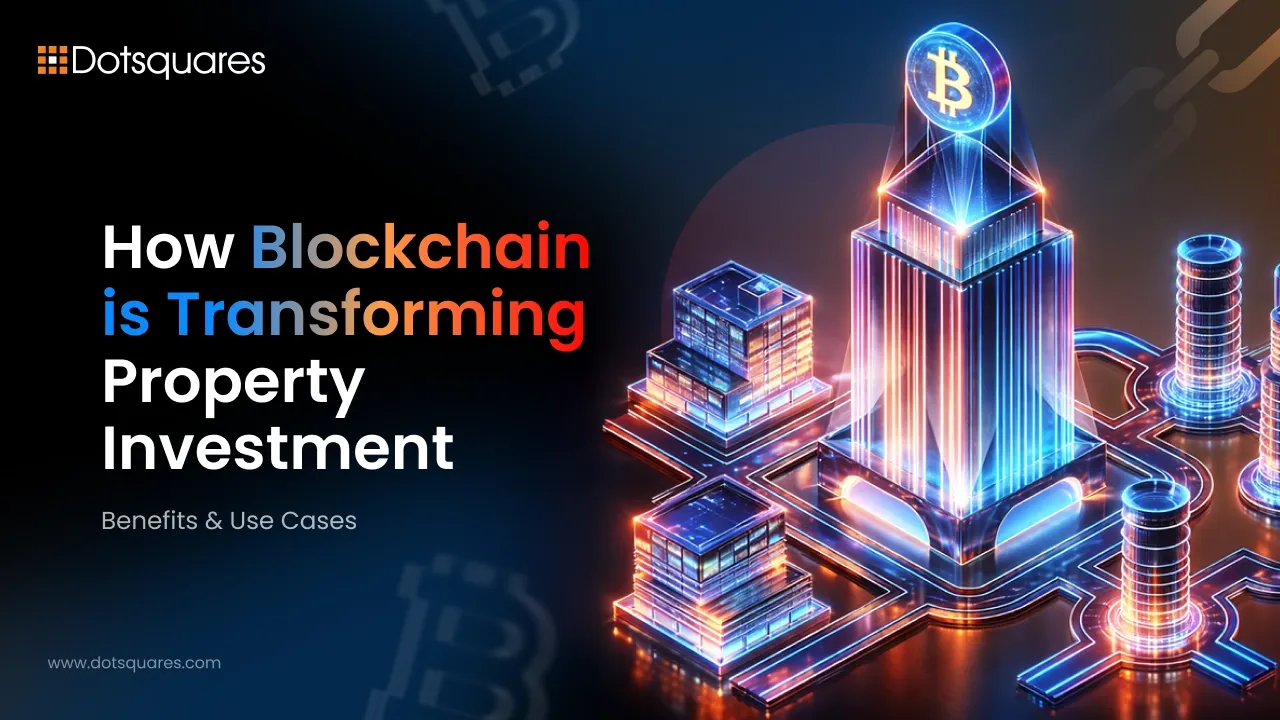
Are you sure that your real estate investments can match the requirements of digital transformation?
Property investors in the modern market must overcome several obstacles which include excessive paperwork requirements and expensive investment needs together with extended transaction durations and their dependence on middlemen. The traditional market entry requirements prevent many buyers from accessing top-tier markets.
Modern investors view blockchain solutions for real estate as an effective method to update their industry because they want to implement practical solutions instead of using trendy terms. Blockchain real estate technology changes the processes of asset transactions because it enables users to conduct property investments with improved liquidity and security and greater investment accessibility.
We will explain how the technology operates and the advantages it delivers and the impact it will have on your investment portfolio.
What is Blockchain in Property Investment?
At its most basic level, blockchain for real estate is a decentralised, digital ledger that records transactions across a network of computers. Think of it as an unchangeable receipt book. No single entity controls it, and once something is written in it, it cannot be altered or deleted.
In the context of property, this technology is used to digitise physical assets. Instead of waiting weeks for paper titles to be verified, property ownership can be recorded on the digital ledger.
How Blockchain is Transforming Property Investment
The real estate industry is notoriously slow to change, often operating the same way it did decades ago. However, real estate digital transformation is finally forcing a shift.
Traditionally, if you wanted to invest in a commercial building, you needed millions of dollars or had to go through complex REITs. Blockchain in commercial real estate flips this script. It allows properties to be fractionalised into digital tokens. This opens the market to a much wider pool of everyday investors and injects liquidity into an asset class that is famously illiquid.
Furthermore, we are seeing a push toward AI blockchain integration. While AI can predict market trends and property valuations, blockchain securely records the transaction, creating a highly efficient, automated investment pipeline.
How Blockchain-Based Property Investment Works
The process of tokenisation needs to be examined because it shows how this system works in actual situations.
The owner of a $10 million luxury apartment building can use blockchain technology to create 10,000 digital tokens which represent $1,000 ownership shares of the property.
Here is a quick overview of how the workflow looks:
- Asset Valuation: The property is appraised and legally verified.
- Smart Contract Creation: Digital rules are written. These "smart contracts" automate things like rental payouts or ownership transfers when specific conditions are met.
- Token Issuance: The tokens are listed on a platform.
- Investor Purchase: Buyers purchase tokens, instantly becoming fractional owners entitled to a percentage of the rental income or capital appreciation.
Key Benefits of Blockchain in Real Estate
Why are so many developers and investment firms exploring blockchain real estate investment? It usually comes down to solving the friction points of traditional buying and selling.
Transparency & Security
Real estate fraud and title disputes create expensive legal problems which continue to develop indefinitely. The blockchain system maintains permanent records which show all details about a property including its ownership history and past renovation dates and its complete sales information. The system prevents any unauthorised changes by making all established data permanent.
Fractional Ownership
This is the biggest game-changer. By lowering the entry price, a college student or retail buyer can invest $500 into a prime piece of commercial real estate. Fractional ownership democratises the market.
Faster Transactions
The home purchasing process requires banks and brokers and lawyers to complete their document work, which takes 30 to 60 days or even longer. A blockchain system enables smart contracts to complete a transaction within minutes when the buyer possesses sufficient funds and the seller holds the title.
Reduced Costs
By cutting out unnecessary middlemen, such as certain brokers, listing agents, and legal couriers, the transaction fees drop significantly. Investors keep more of their profits rather than losing them to administrative overhead.
Traditional vs. Blockchain Property Transactions
The current effects of blockchain technology on real estate development become clear through a comparison between traditional development methods and modern blockchain development approaches.
|
Feature |
Traditional Transactions |
Blockchain Transactions |
|
Speed |
Weeks or months |
Minutes to hours |
|
Middlemen |
Lawyers, brokers, title companies |
Automated Smart Contracts |
|
Costs |
High (hefty closing fees) |
Low (minimal platform/network fees) |
|
Accessibility |
High capital required |
Accessible via fractional shares |
|
Transparency |
Siloed public records |
Open, synchronised ledger |
Blockchain Use Cases in Real Estate
The technology has real-world uses which extend more than its capacity to handle fractional token transactions.
- Smart Rental Agreements: Landlords and tenants can use smart contracts to automate security deposits and monthly rent collections without property managers.
- Registry & Title Management: Local governments can use blockchain technology to stop title fraud while they create public land records which remain accessible for easy searching.
- Property Management & Maintenance Tracking: The blockchain system allows commercial buildings to record their maintenance history, which helps future buyers verify both roof replacements and HVAC service records.
The impact of blockchain in web development is what makes these secure, user-friendly portals possible for everyday investors.
Challenges and Future Outlook of Blockchain in Real Estate
The upcoming challenges for the project have enormous potential yet require realistic assessment of their future development. The complete adoption of real estate investment technology requires us to address multiple obstacles which stand between us and our goal.
- Regulatory Uncertainty: Property laws different between states and countries. The process of matching digital tokens with actual property regulations in different areas presents a difficult legal challenge.
- User Adoption & Tech Gaps: Buying property on a ledger requires comfort with digital wallets and interfaces. Many traditional buyers still prefer physical paperwork.
- Standardisation: For this to work globally, platforms need standard protocols to communicate with one another.
Despite these hurdles, the future of property investment using blockchain looks bright. As regulatory bodies get more comfortable with digital assets, we will likely see hybrid models, where traditional real estate firms offer digital tokenised assets as part of a standard portfolio.
Conclusion
The integration of blockchain in property investment is not about replacing human real estate agents or erasing the physical nature of property. The solution addresses persistent industry problems which have existed throughout history by eliminating all operational delays and unnecessary expenses.
Blockchain technology creates an equal investment opportunity for global investors by providing them with transparent and easily accessible and rapid transaction processing capabilities. The tokenisation of assets has become a significant development which all commercial developers seeking capital and individual investors wanting to diversify should monitor.
FAQs
How does blockchain improve property investment processes?
The system achieves faster transaction processing through smart contract technology which conducts automatic verification operations and title transfer procedures and payment processing without requiring lengthy manual documentation work.
What are the benefits of using blockchain in real estate?
The primary advantages of the system enable greater operational visibility which helps prevent fraudulent activities while decreasing operational costs through direct asset transactions that allow partial ownership rights.
Difference between traditional and blockchain property transactions?
The traditional process requires extensive time and documentation which leads to high costs because of intermediary requirements while blockchain transactions operate through complete digital security and direct user connections which enable faster processing times.
What challenges does blockchain face in real estate adoption?
The primary obstacles include unpredictable government regulations and the requirement for common technological standards and the resistance of conventional buyers towards using online systems.
What is the future of blockchain in property investment?
The future points toward a more accessible market where fractional ownership of commercial and residential assets is standard which will enable a wider range of people to invest in real estate.


Related Post
 October 15, 2026
Low-Code Integration: What It Is, How It Works and When Businesses Should Use It
Learn how low-code integration connects business apps and APIs, its key benefits, common use cases, limitations, and when to choose custom integration.
Keep Reading October 15, 2026
SAP BW to Cloud Migration: Benefits, Challenges and Planning Steps
Learn about SAP BW to cloud migration, including benefits, challenges, AWS options, cost factors and planning steps for a successful migration.
Keep Reading October 12, 2026
Mobile App Development with React Native and What You Need to Know
Learn how React Native works, where it saves time and cost, which industries use it, and whether it's still a good choice in 2026.
Keep Reading