
Is Your Business AI-Ready?

Tech
 4 min read
If your business relies on data to make decisions, you likely know the frustration of the "messy data" cycle. You have all this information, sales numbers, supply chain updates, employee data, but it is locked in silos, scattered across different cloud providers, and impossible to piece together. Building a modern data platform is not just about upgrading software; it is about reclaiming your team’s time so they can actually analyse information instead of just managing it.
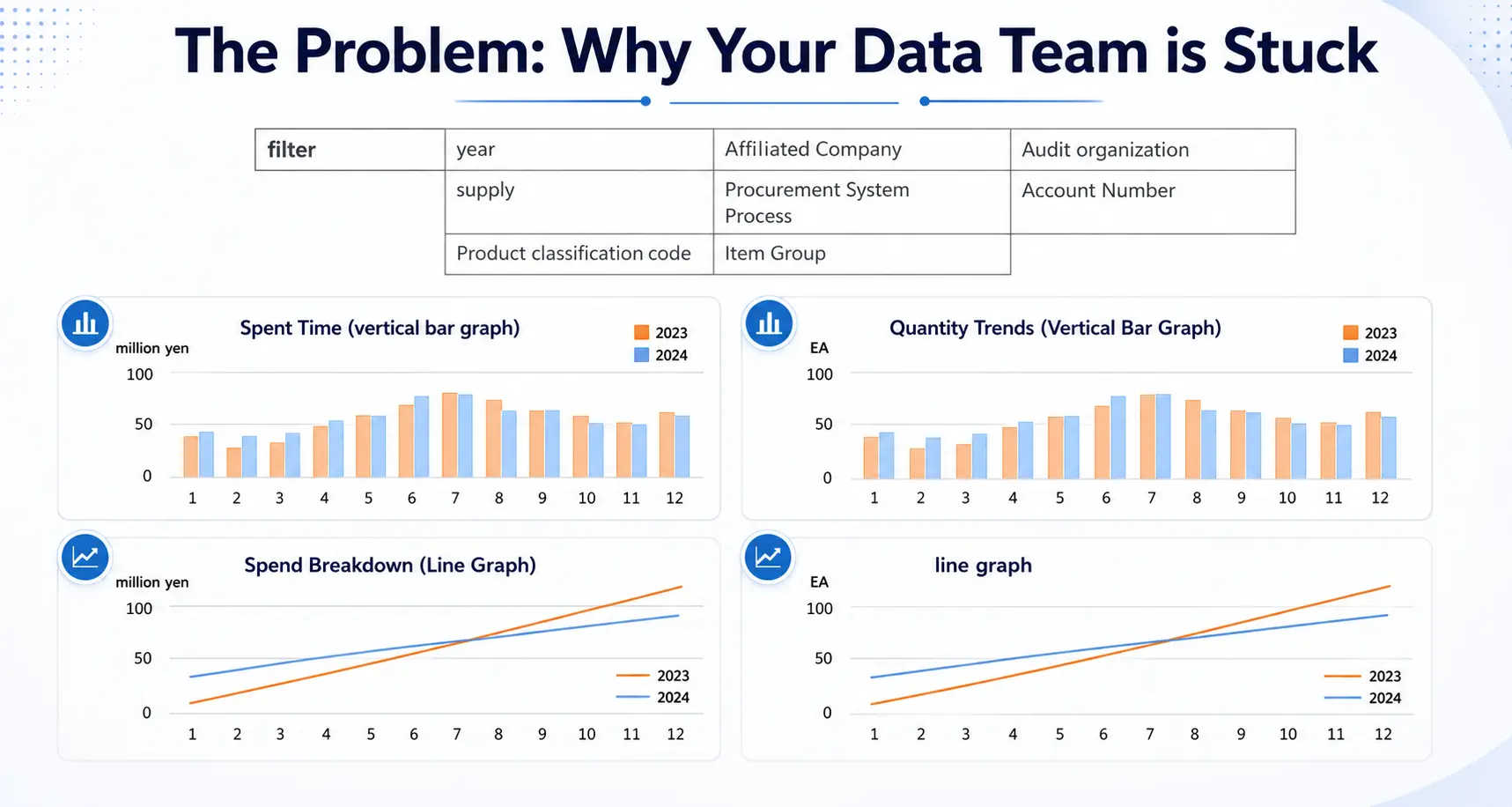
At present, organisations encounter their most difficult situation. The organisations operate multiple platforms because they chose to implement both Azure and AWS, which results in their current system complexity. The system produces multiple issues because it requires users to handle security across different platforms and it creates compliance difficulties and it transforms report generation into a time-consuming manual task.
The primary problem stems from duplicated data. The various teams working in different functional areas, which include Finance and HR and Supply Chain, must create their own solutions because they lack access to shared data resources. The teams proceed to conduct independent processes for data cleaning and validation and data transformation. This leads to conflicting numbers and massive inefficiencies.
Data and analytics teams currently face a "maintenance trap" problem. They spend approximately 70% of their work time maintaining existing systems and repairing broken pipelines and managing permissions and performing essential operational tasks. This restricted work schedule enables them to dedicate only 30% of their time to valuable projects which include discovering new trends and supporting business expansion.
To fix this, the goal is to shift from a fragmented landscape to a unified, centralised "Data Lake" approach. The plan is to standardise on Microsoft Azure as the primary home for all data and analytics services.
The strategy focuses on offloading analytics away from the old SAP HANA systems to this new, cost-effective Azure setup. By creating a central storage hub, you eliminate the "my department versus your department" data divide. Instead, you create dedicated workspaces for specific business functions like SCM (Supply Chain Management), HR, Finance, and Commercial operations.
These workspaces provide teams with "self-service" capabilities which enable them to work independently without needing external assistance. A marketing analyst or supply chain manager should access necessary data for their work instead of waiting days for IT to generate reports.
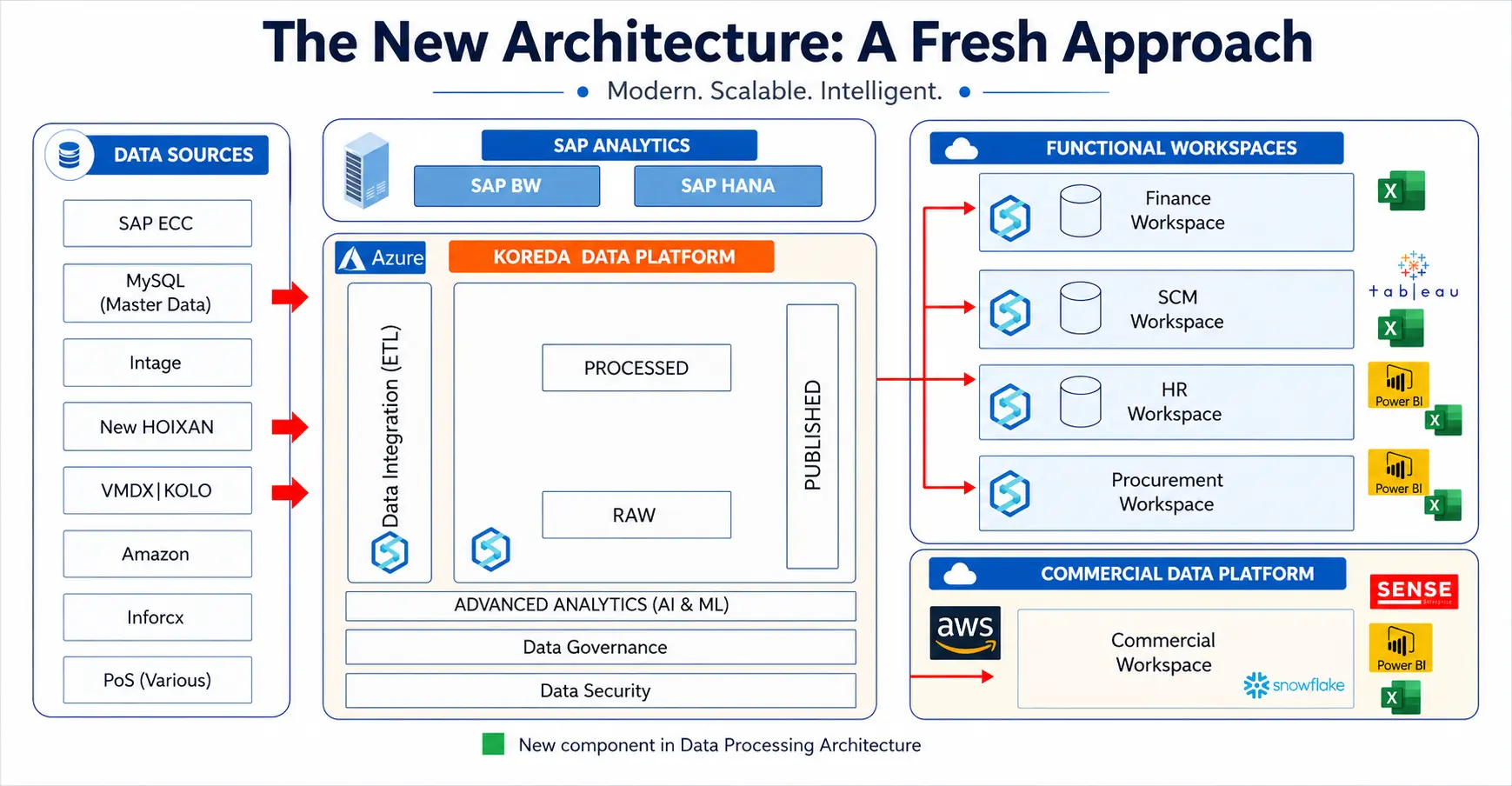
You don’t need to be a developer to understand the core tools that make this system work. Think of these as the engine and transmission of your data platform:
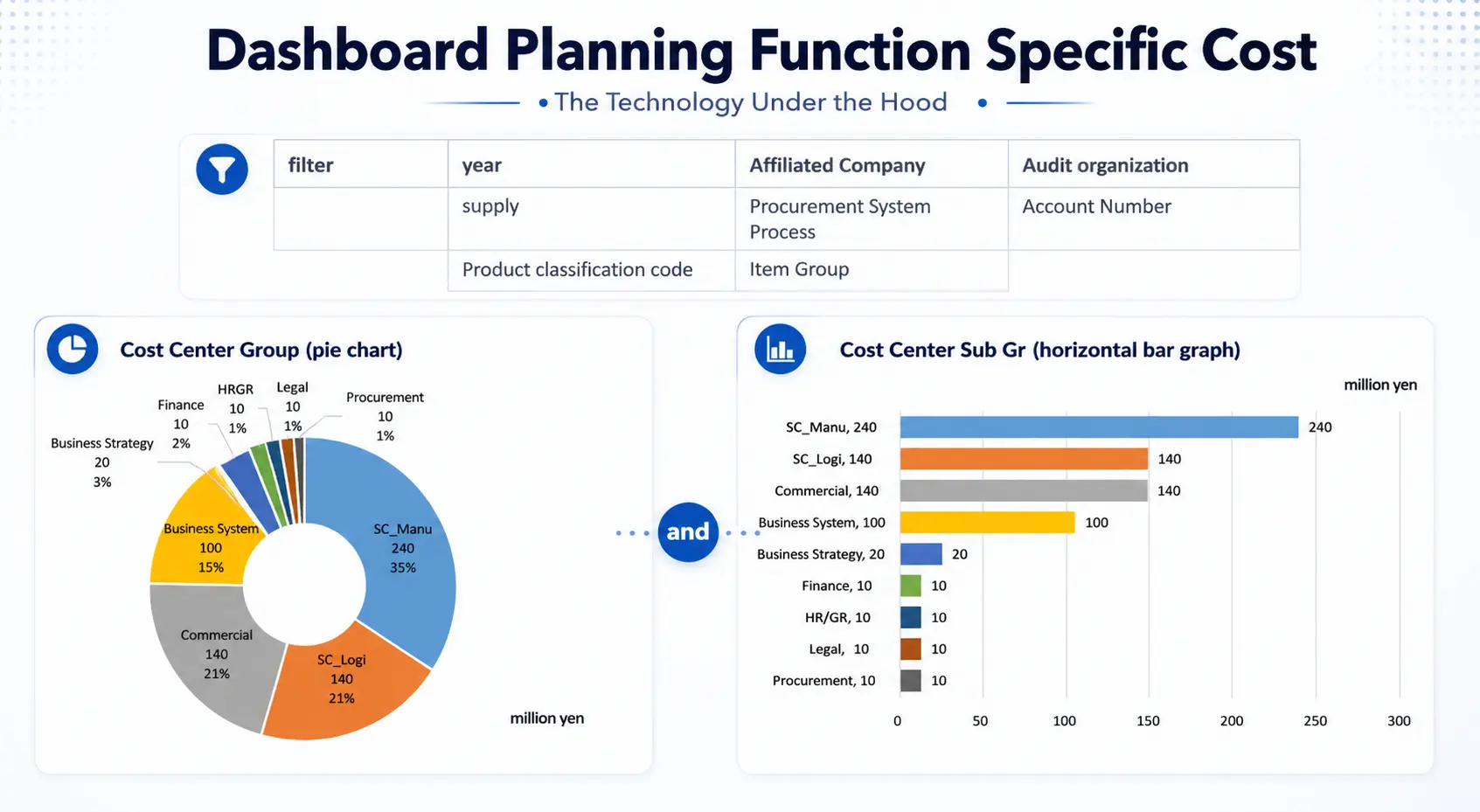
The goal of this shift is to move from being a support function to being a strategic partner. When you remove the friction of manual maintenance, the benefits are immediate:
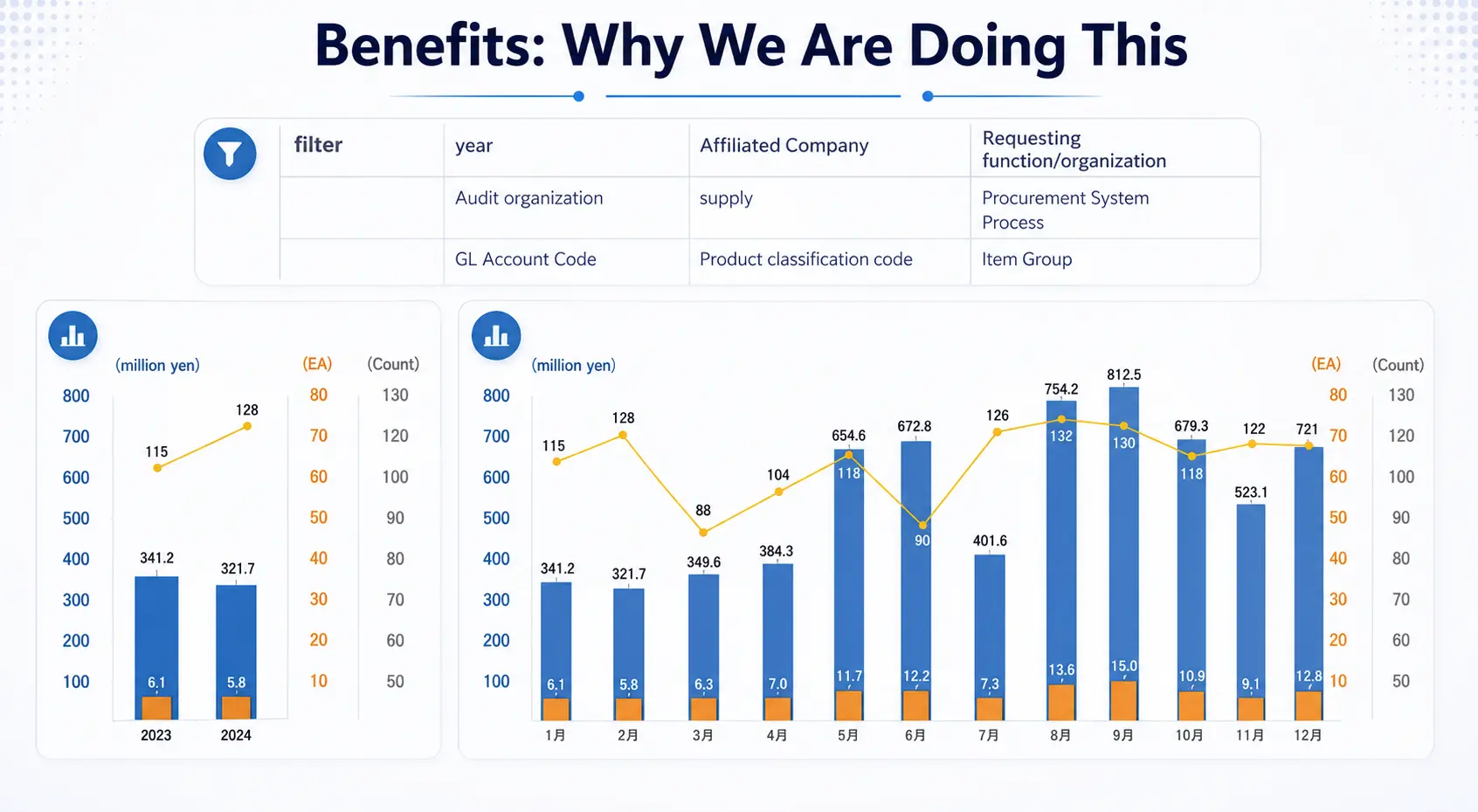
At the end of the day, moving to a modern data platform isn't just about buying better technology; it's about getting your time back.
The time you spend on data pipeline issues will reduce to 30% after you stop wasting time on those problems. The process of creating a single protected space for all your data lets you make decisions based on complete information instead of relying on assumptions. Your reporting process becomes quicker while your expenses decrease and your team members experience greater satisfaction. The 2026 objectives require us to cease tool operational management and begin utilising data.


 October 15, 2026
Learn how low-code integration connects business apps and APIs, its key benefits, common use cases, limitations, and when to choose custom integration.
Keep Reading October 15, 2026
Learn about SAP BW to cloud migration, including benefits, challenges, AWS options, cost factors and planning steps for a successful migration.
Keep Reading October 12, 2026
Learn how React Native works, where it saves time and cost, which industries use it, and whether it's still a good choice in 2026.
Keep Reading