
Is Your Business AI-Ready?

Tech
 5 min read
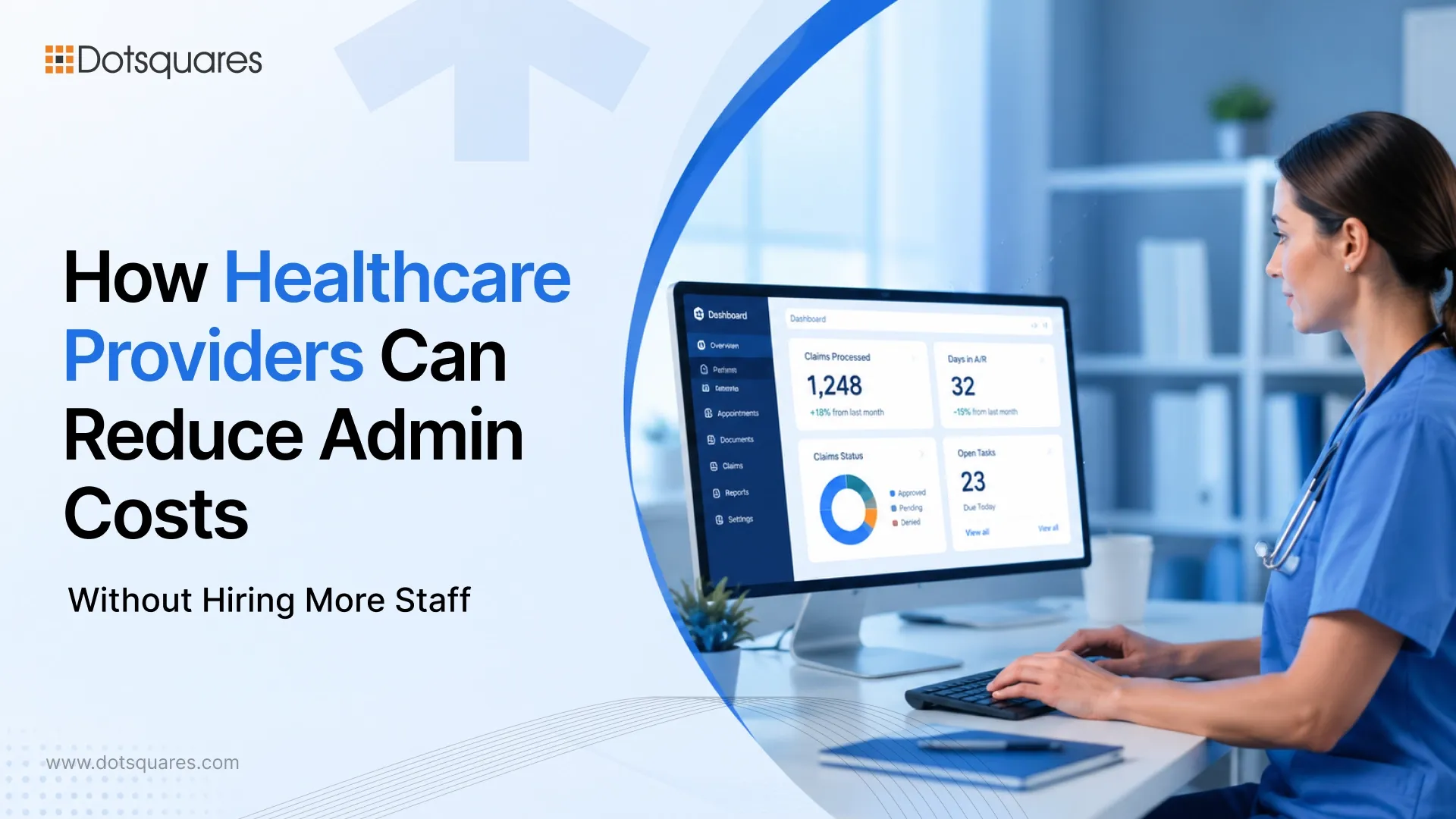
The UK’s own healthcare system is telling the story clearly. When Imperial College Healthcare NHS Trust introduced a digital patient records system, it cut paper-based outpatient records by 80% and delivered a £1.2 million net reduction in its annual health records budget, without hiring a single extra person.
It’s a signal of where the real admin savings sit in healthcare, not in headcount, but in the processes and systems underneath the headcount.
Most providers do the same thing when admin costs climb: bring in more hands. It works for a while. Then the salary bill grows, onboarding takes time and six months later, the queue is just as long. Hiring around a broken process doesn’t fix it. It just makes the process more expensive.
Here’s where the real waste hides, and what actually works to cut it.
Before throwing solutions at the wall, it helps to name the problems with precision.
Online self-scheduling portals let patients book, reschedule and cancel appointments without calling the front desk. Pair that with automated SMS or email reminders, and no-show rates drop significantly; some clinics reported reductions by 30% or more.
This is about freeing reception staff from tasks that a well-built system can handle, so they focus on things that genuinely need a human.
Healthcare app development now makes patient-facing scheduling tools relatively straightforward to build and integrate with existing calendars and EMR systems. A well-designed healthcare mobile app puts booking, reminders and pre-visit instructions in a patient’s pocket.
Generic Electronic Health Record (EHR) platforms often create more admin work than they solve. When the software doesn’t match how your team actually operates, workarounds multiply, including paper logs, parallel spreadsheets and duplicate entries.
Custom EHR software solutions built around a specific clinic’s workflows eliminate that friction. Staff stop fighting the system and start using it the way it was intended. Data flows between departments without manual handoffs, and audit trails write themselves.
This is where investing in proper healthcare IT solutions pays off beyond the initial implementation. The ongoing reduction in rework and error correction compounds month over month.
Prior authorisation is one of the most time-consuming administrative tasks in healthcare. Staff spend hours on hold with insurers, tracking submission status and resubmitting denied claims.
Custom healthcare software built with automation in mind can handle much of this. Rules-based systems check eligibility before appointments, flag likely authorisation requirements in advance and submit claims with the right codes the first time. The result is fewer denials, faster reimbursement and staff hours redirected to patient-facing work.
Digital intake forms completed before arrival, through a patient portal or healthcare mobile app, feed directly into the EHR.
Beyond saving time, this also gives clinical staff access to complete, accurate information before the patient walks through the door. That improves care quality and reduces the back-and-forth that slows down appointments.
Custom AI-Powered healthcare solutions are now practical for tasks like medical coding assistance, appointment demand forecasting and flagging documentation gaps before claims submission. These aren’t speculative use cases, but are in production at facilities of all sizes.
The key is targeted deployment. AI works best when applied to specific, repetitive decision points rather than broad administrative overhauls.
Generic software vendors sell to everyone, which means their products fit no one perfectly. Healthcare software development solutions built for a specific organisation’s size, speciality and workflows deliver measurably better adoption rates and fewer workarounds.
It also means the software can grow as the organisation does, new locations, new service lines, new compliance requirements, without forcing staff to patch gaps manually.
Dotsquares works with healthcare providers to build exactly that: purpose-built IT solutions for healthcare industry needs, from patient-facing apps to backend automation that reduces the admin burden without adding headcount.
If your admin costs keep climbing despite your best efforts, the problem is the processes and tools underneath your people. Talk to Dotsquares about building a solution that fits how your organisation actually works.



 October 15, 2026
Learn how low-code integration connects business apps and APIs, its key benefits, common use cases, limitations, and when to choose custom integration.
Keep Reading October 15, 2026
Learn about SAP BW to cloud migration, including benefits, challenges, AWS options, cost factors and planning steps for a successful migration.
Keep Reading October 12, 2026
Learn how React Native works, where it saves time and cost, which industries use it, and whether it's still a good choice in 2026.
Keep Reading