
Is Your Business AI-Ready?

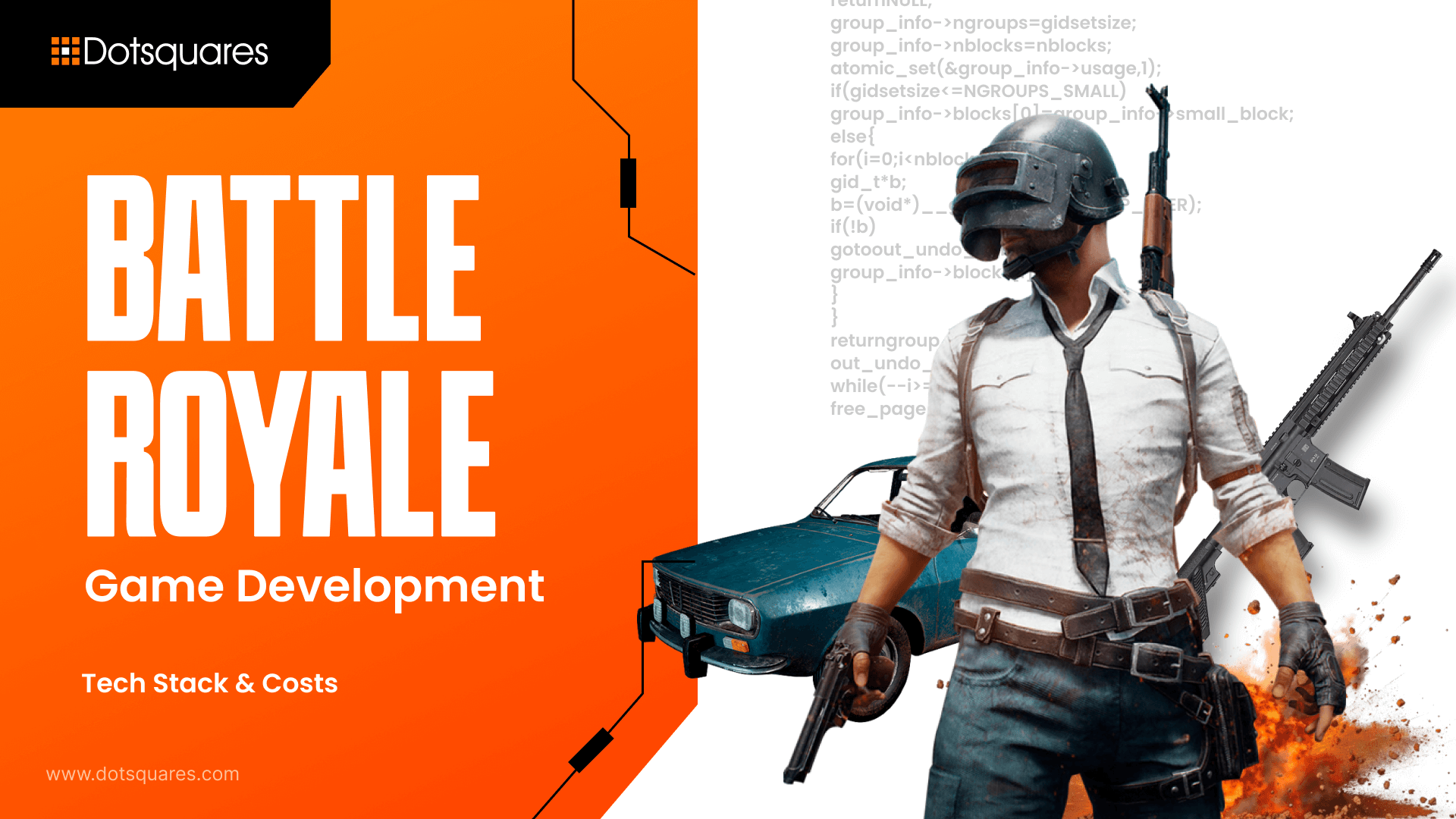
Building a Battle Royale isn't just a creative challenge; it is a massive engineering undertaking. When you move from a standard four-player co-op to a 100-player survival map, the technical requirements don't just grow, they mutate. The primary hurdle isn't just the graphics; it’s the synchronisation of 100 simultaneous actors in a single persistent world where every millisecond of lag can result in an immediate loss for the player.
For a studio, the operational shift is significant. You are no longer just building a game; you are building a high-traffic network environment that must remain stable under extreme pressure.
The first line item in your tech stack is the engine. This choice dictates your hiring strategy and your hardware compatibility.
Unity remains a dominant force for developers targeting a battle royale game for android. Its primary strength lies in its "Scriptable Render Pipeline," which allows a development team to manually optimise how the phone handles shadows and textures. This is critical for keeping mobile devices from overheating during long matches. When you work with top mobile game development companies, Unity is often the preferred choice for cross-platform play because it handles the fragmentation of Android hardware with significant efficiency.
If the goal is to set a new benchmark for visual fidelity on PC and Next-Gen consoles, unreal engine 5 games are the current standard. With its "World Partition" system, Unreal automates the loading and unloading of massive map chunks. This reduces the manual workload for artists but increases the "base" hardware requirements for the player. It is a decision to prioritise cinematic depth over broad accessibility.
If you ask an action game development company where the "secret sauce" is, they won't point to the character models; they’ll point to the netcode.
To keep 100 players in sync, the tech stack must include:
The cost of an online battle royale games project is often split into three main buckets: Initial Dev, Infrastructure, and Live-Ops.
To build a stable environment, you need to hire action game app developer talent who understand high-concurrency networking. You aren't just hiring "coders"; you are hiring network engineers and systems architects. A typical team includes:
Unlike PC Game Development for single-player titles, your costs don't end at launch. High-tick-rate servers (running at 30Hz or 60Hz) are expensive. As your player count grows, your server bill grows with it. This is a "working adjustment" that most startups must plan for in their seed funding.
In an online battle royale games environment, one cheater can ruin the experience for 99 other people. Licensing or building a robust anti-cheat system (like Easy Anti-Cheat or BattlEye) is a non-negotiable expense that can cost thousands per month.
There is a significant cost difference between building for a single platform and going cross-platform.
When evaluating Unity vs Unreal Engine, you have to look at the long-term royalties.
Technology is only half the battle. You can have the best unity game engine software setup in the world, but if the combat doesn't feel "snappy," the game will fail. This is why choosing an experienced action game development company is vital. You need a partner who understands where to spend the money, whether it's on better servers or more polished animations.
Dotsquares has spent over two decades helping founders navigate these technical and financial shifts. We understand that the "win" isn't just launching the game; it's building a technical stack that is sustainable, scalable, and above all, profitable.
Speak with a Game Architect about Costs


 April 03, 2026
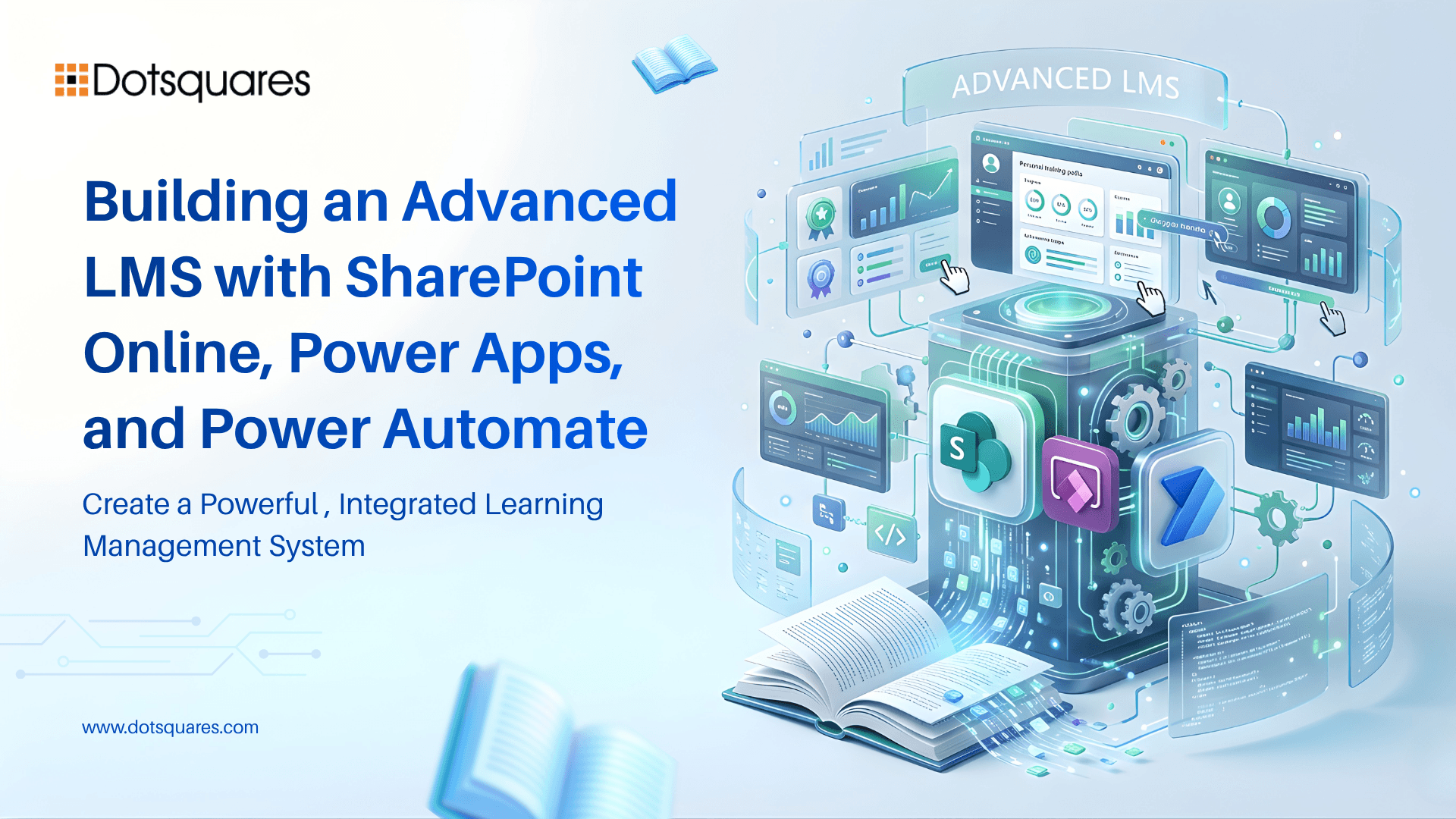
Create a scalable LMS using SharePoint Online, Power Apps, and Power Automate. Manage training, automate workflows, and keep data secure within Microsoft 365.
Keep Reading March 31, 2026
Compare Power BI and Tableau on cost, features, ease of use, and performance. Find the right BI tool for your business data and decision-making needs.
Keep Reading March 31, 2026
Discover 7 key benefits of Sitefinity CMS, including flexibility, integrations, security, and personalization to drive real business growth and digital success.
Keep Reading