
Is Your Business AI-Ready?

Tech
 4 min read
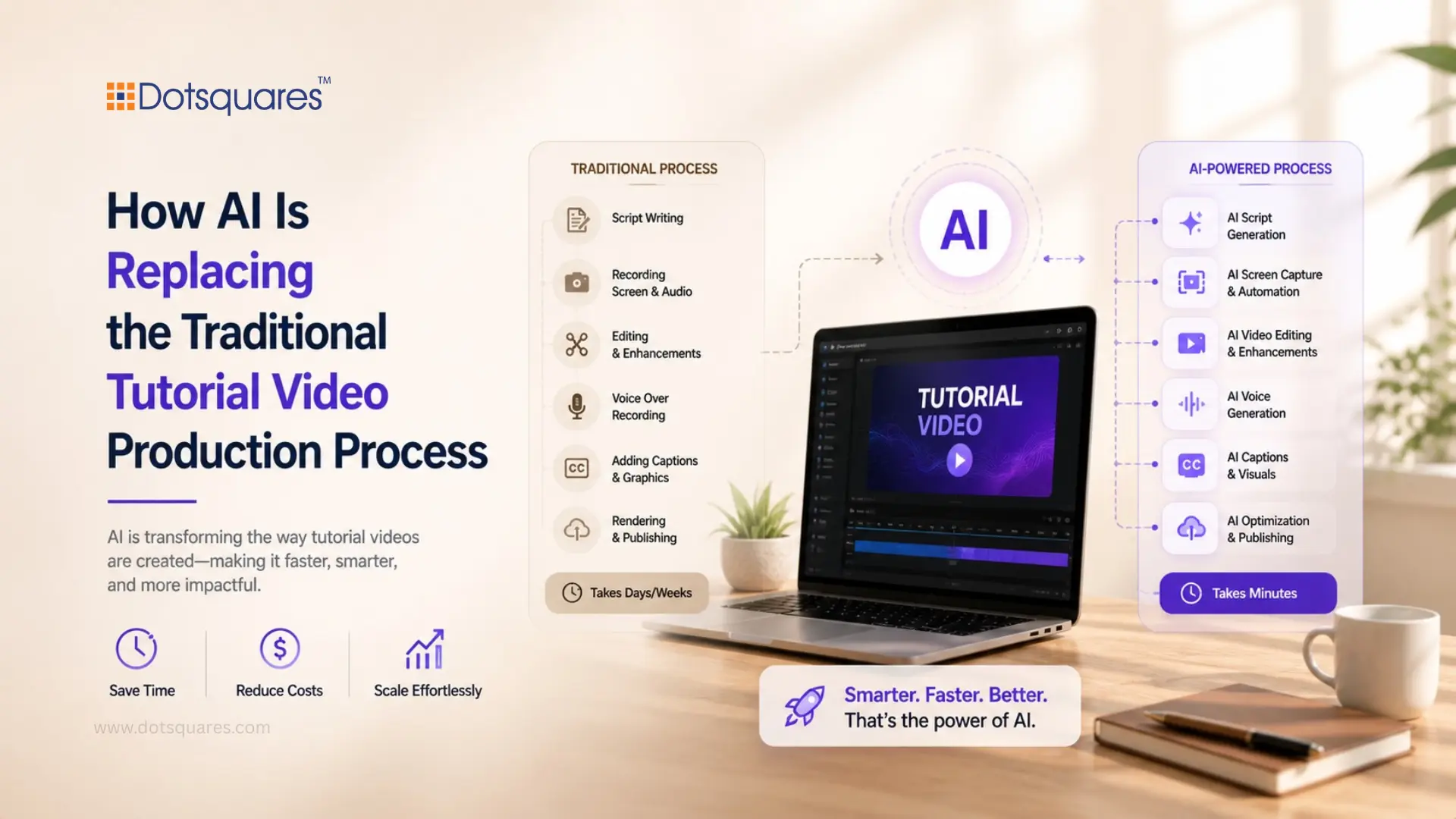
Medical education has a content problem. The demand for high-quality tutorial videos is growing faster than traditional production methods can keep up with, and the gap between what organisations need to produce and what they can realistically deliver keeps widening.
This is the story of how one medical education organisation stopped working around that problem and built a system that solves it entirely.
Traditional video production works in sequence, scripting, slides, recording, editing, review, corrections, final output. Each stage depends on the one before it. Each stage involves different people. And at any point, something can stall.
For a single video, that is manageable. For hundreds, it simply does not work.
The organisation was dealing with a growing library of medical tutorial content that needed to be produced consistently, accurately, and at a pace the traditional process could not match:
Something more fundamental than a process tweak was needed.
The solution was an end-to-end AI-driven pipeline, one system that takes raw lecture input at one end and delivers a finished tutorial video at the other, without the manual overhead in between.
A Python-based automation layer orchestrates each stage, passing outputs between them without manual handoffs. The entire process runs within a single unified workflow.
A lightweight manual QA step sits at the end for accuracy checks where needed, but the system is designed so the vast majority of content clears the pipeline without intervention.
The results showed up immediately in the areas that mattered most:
The tools used here, LLMs, ElevenLabs, HeyGen, and Python orchestration, are not the point. They are components. What matters is what happens when those components are connected into a system designed around a real operational problem.
Medical tutorial content is not a use case where quality can be compromised. The accuracy requirements are high, the volume is large, and the audience depends on what they learn. The fact that this pipeline delivers consistent, professional-quality output at scale, reliably and repeatedly, is what makes it significant.
Organisations producing educational content at any scale face the same tension:
The answer is a system where the process itself is no longer the bottleneck, and the 70 to 80 percent reduction in production time is the clearest measure of how much was being lost to the old way of doing things.


 October 15, 2026
Learn how low-code integration connects business apps and APIs, its key benefits, common use cases, limitations, and when to choose custom integration.
Keep Reading October 15, 2026
Learn about SAP BW to cloud migration, including benefits, challenges, AWS options, cost factors and planning steps for a successful migration.
Keep Reading October 12, 2026
Learn how React Native works, where it saves time and cost, which industries use it, and whether it's still a good choice in 2026.
Keep Reading