Tech
Automating the Dental Lab: A Use Case for Multi-Channel AI and OCR
 7 min read
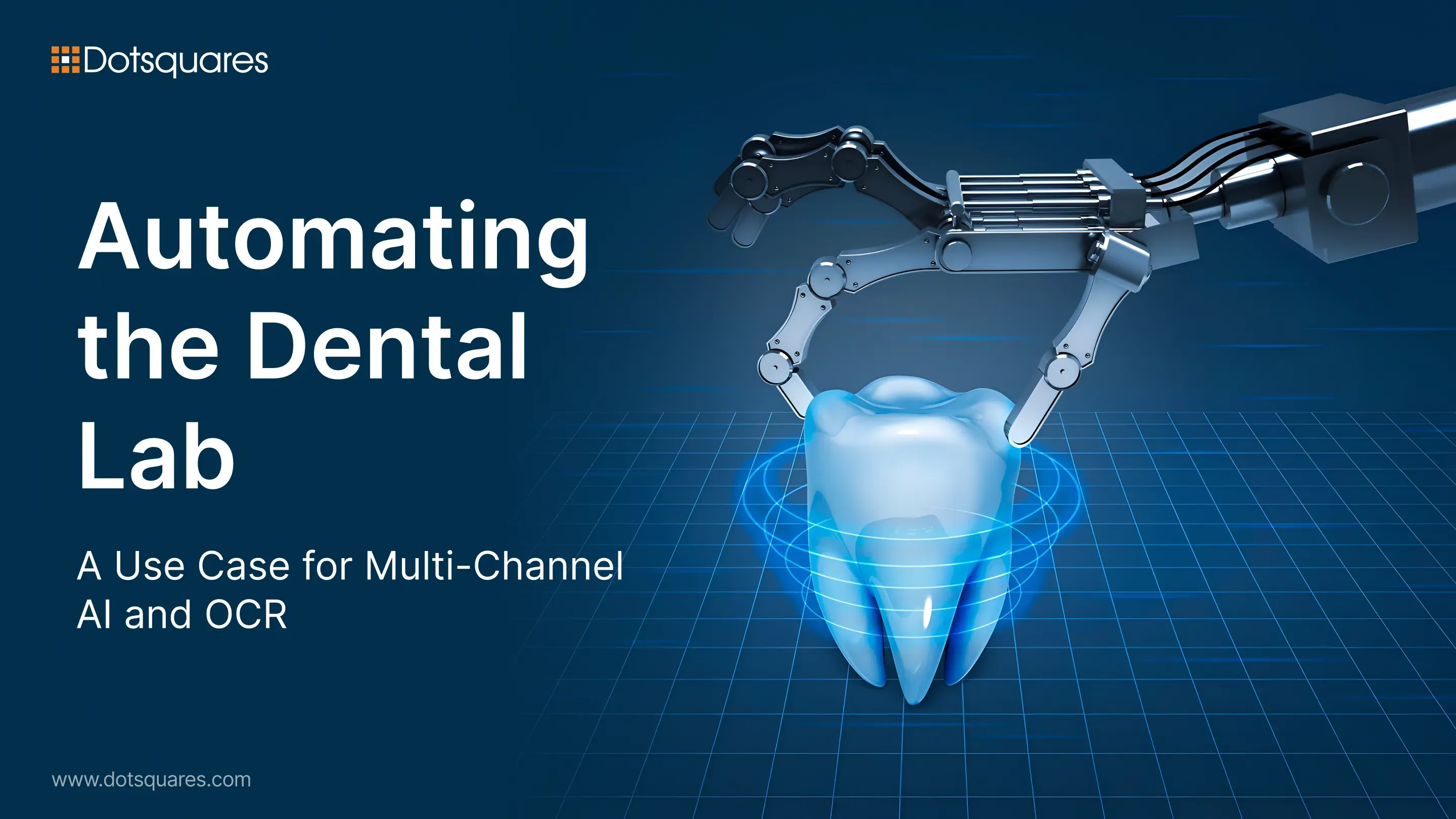
In the high-precision world of dental technology, the "daily grind" isn't just about crafting crowns or bridges. For most laboratory owners and managers, the real struggle happens behind a desk. It’s the mountain of manual data entry, the constant back-and-forth phone calls with clinics, and the risk of a single typo ruining a patient’s case.
As a dental lab grows, these small administrative "frictions" turn into massive bottlenecks. You start losing time not because your technicians are slow, but because your information is fragmented. This is exactly where a multi-channel AI ecosystem moves from being a "luxury" to a business necessity.
The use case demonstrates how AI-based voice and chat systems together with document scanning technology can change a manual laboratory space into a fast-moving knowledge-based work environment.
The Hidden Cost of Manual Lab Operations
Before we look at the solution, we have to look at the "problem" through the eyes of a lab owner. Traditionally, a dental lab relies on a heavy paper trail. Every case starts with a physical prescription slip, often handwritten, sent by a dentist.
The Entry Bottleneck: An administrator has to sit down and manually type the doctor’s name, the patient’s ID, the tooth number, and the specific material requirements into a CRM or management system. If they misread a "3" for an "8," the entire case is compromised. This manual data entry is the single biggest point of failure in the modern lab.
The Support Gap: Dentists are busy. They don't want to wait until 9:00 AM the next day to find out if a case is on track. When support is only available during standard business hours, inquiries pile up. This leads to "phone tag," where technicians spend more time answering calls about status updates than they do actually working on dental cases.
The Knowledge Silo: Data is often scattered. Tracking the continuity of prescription slips for a specific doctor is a complex task. Without an automated way to validate these records, auditing becomes a nightmare, and account mismatches are almost inevitable.
The Solution: Building a Unified AI Assistance Platform
To solve these issues, the modern lab requires healthcare software solutions powered by AI that unify communication and automate data extraction. This isn't just about adding a "bot" to a website; it’s about creating a system that understands the specific context of dental workflows.
1. AI-Powered Prescription Scanning & Document Intelligence
The first step to eliminating the bottleneck requires complete elimination of all manual typing work. The lab can digitise its physical documents through the establishment of an OCR (Optical Character Recognition) pipeline.
When a prescription slip or image is uploaded to the system, the AI identifies key data points:
- Receipt and Case Numbers
- Doctor and Clinic Names
- Specific Treatment Details
Instead of starting with a blank form, the administrator is presented with a pre-populated screen. They simply "verify and confirm." This shift from "typing" to "verifying" reduces administrative time by over 70% and virtually eliminates human entry errors.
2. The 24/7 Multi-Channel Assistant
Current medical facilities need their staff members to deliver answers which consider multiple factors of their present situation. The integrated AI system provides continuous coverage of all inquiries which customers make at any time throughout the day.
- Intelligent Web Chat: The website chatbot uses Large Language Models (LLMs) to provide technical support for dental services through its Intelligent Web Chat system. The bot serves dentists as an interactive tool that delivers real-time case updates through advanced CRM integration solutions connected to the backend system instead of acting as a standard FAQ resource.
- SMS-Based Query Handling: Not all dentists prefer to access their accounts through the online system. The system enables doctors to send status inquiries and new case registrations through quick text messages because it connects with Twilio API. The system requires users to verify their mobile numbers which leads to an immediate automated response.
- AI Voice Assistant: A telephony-based voice assistant system handles all incoming calls for users who choose to make phone calls. The assistant uses Speech-to-Text (STT) and Text-to-Speech (TTS) systems to conduct natural conversations which deliver precise case information, thus enabling human staff to concentrate on their most vital work.
The Impact: A More Intelligent Enterprise Workspace
The implementation of this AI-driven platform delivers immediate, measurable improvements. It changes the lab from a "reactive" environment to a "proactive" one.
Instant Visibility for Admins and Clients
The biggest win is the 24/7 availability of information. When an admin can retrieve case data at 10:00 PM without needing a human representative on the other end, the entire workflow speeds up. This transparency builds trust with the dental clinics, as they know exactly where their cases stand at all times.
Reduced Administrative Burden
By automating the "heavy lifting" of data extraction via OCR, the lab significantly reduces the need for manual form filling. This doesn't just save time; it improves the mental clarity of the staff. When employees aren't bogged down by repetitive, boring tasks, they are more engaged in the technical aspects of laboratory operations.
Enhanced Data Accuracy and Audit-Ready Records
Validation and warning mechanisms ensure that case records stay consistent. The AI can track "prescription continuity," flagging if a slip is out of sequence or if a doctor’s details don’t match previous records. This makes the lab "audit-ready" at all times and prevents the costly rework that comes from using incorrect data.
Key Technical Features of a Modern Lab Platform
If you are a dental enterprise looking to implement a similar real estate tokenisation development strategy (or in this case, a dental lab automation strategy), these are the features that matter:
- Secure Infrastructure: A robust authentication framework is non-negotiable. Sensitive patient data must be protected with strict governance.
- Global Scalability: The architecture should support multilingual interactions. If your lab is in the UAE or the UK but serves clients in the US, the AI needs to communicate across language barriers seamlessly.
- Smart Contract-Style Validation: Much like a smart contract in blockchain, the AI follows pre-set "rules" to ensure that no data enters the system unless it meets the lab's quality standards.
The Future of Dental Lab Innovation
The adoption of an intelligent AI-driven platform requires dental professionals to change their approach to patient information management.
The unified workspace enables the dental lab staff to access advanced tools which assist them in prescription scanning and automated tracking systems. This system improves daily work processes while enabling the organisation to expand its operations in future periods.
The AI-first approach shows dental enterprises how to solve their problems with disorganised patient data and their difficulties handling complex case procedures. The laboratories that accept this transformation today will become the industry leaders in the future.
FAQ
How does AI improve the prescription management process?
It uses OCR to automatically extract data from images or documents, pre-populating forms and reducing the need for manual typing.
Can an AI voice assistant handle actual phone calls for my lab?
The statement confirms that telephony integration enables an AI system to handle incoming calls while using speech-to-text technology to comprehend customer requests and deliver current case information from your database.
Is my patient data secure with an AI-powered system?
Modern AI systems at present operate from safe platforms which use precise identification methods and strict data control policies to keep all medical information private and within legal limits.
What are the benefits of a multi-channel support system (SMS, Chat, Voice)?
It allows your clients to reach you however they prefer, ensures 24/7 availability, and prevents your human staff from being overwhelmed by basic status inquiries.
Does the AI understand different languages for a global workforce?
Yes. Modern LLMs enable users from your teams and clients to communicate with the system in their chosen language without losing context or accuracy.


Related Post
 October 15, 2026
Low-Code Integration: What It Is, How It Works and When Businesses Should Use It
Learn how low-code integration connects business apps and APIs, its key benefits, common use cases, limitations, and when to choose custom integration.
Keep Reading October 15, 2026
SAP BW to Cloud Migration: Benefits, Challenges and Planning Steps
Learn about SAP BW to cloud migration, including benefits, challenges, AWS options, cost factors and planning steps for a successful migration.
Keep Reading October 12, 2026
Mobile App Development with React Native and What You Need to Know
Learn how React Native works, where it saves time and cost, which industries use it, and whether it's still a good choice in 2026.
Keep Reading