
Is Your Business AI-Ready?

Tech
 5 min read
In today's market, data is generated faster than most traditional systems can handle. Many organisations find themselves stuck with an aging on-premise infrastructure, like a legacy SAP BW system, that was built for a different era. These systems were designed for a time when data was smaller and "batch processing" once a day was enough.
Businesses face challenges because their outdated systems create operational hindrances when they expand their operations. The system requires expensive upkeep, experiences slow growth, and prevents data access by maintaining information in distinct storage areas. The case study demonstrates how an organisation moves from its existing on-premise setup to a contemporary Microsoft Azure cloud-based data solution.
Enterprises experience common obstacles which prevent them from achieving fast data-based decision-making processes before they undergo their modernisation process.
The goal of this modernisation is to build a "Data Lake" and a high-performance analytics layer that can handle both real-time streams and massive historical batches.
By migrating to Azure Synapse Analytics and Azure Data Lake, the organisation moves away from physical hardware. This allows the system to scale "elastically." If you need more power for a month-end report, the cloud provides it instantly, and you only pay for what you use.
Using tools like Azure Data Factory, we connect all the disconnected sources, from SAP ECC to Salesforce, into a single source of truth. This creates a unified layer where every department is looking at the same validated numbers, ensuring there are no more "conflicting versions" of a report.
To move beyond slow batch updates, we introduce Azure Event Hubs and Databricks. This allows the business to process events as they happen. For example, if a customer makes a purchase, the system can calculate loyalty points or update inventory levels in real time, rather than waiting for a nightly sync.
The final piece of the puzzle is putting the power back into the hands of the business users. By creating curated datasets in Power BI, staff across the company can build their own dashboards and explore data independently. This removes the IT bottleneck and allows for much faster decision-making.
Modernising the data landscape isn't just a technical upgrade; it’s a shift in how the business operates.
Future-ready analytics ecosystems depend on a specialised technology stack which provides both stable operation and fast performance capabilities.
The transition from an on-premise legacy system to a modern cloud platform is the foundation for any digital transformation. An organisation can achieve its most valuable asset when it transforms data from an administrative burden through three capabilities which include centralising data and enabling real-time processing and providing users with self-service discovery tools. The result is a more agile organization which maintains transparency while delivering operational efficiency to handle all future challenges.



 October 16, 2026
Learn how E-commerce security protects your online store from fraud, data breaches, and bots. Explore threats, PCI DSS, and best practices.
Keep Reading October 15, 2026
Learn how low-code integration connects business apps and APIs, its key benefits, common use cases, limitations, and when to choose custom integration.
Keep Reading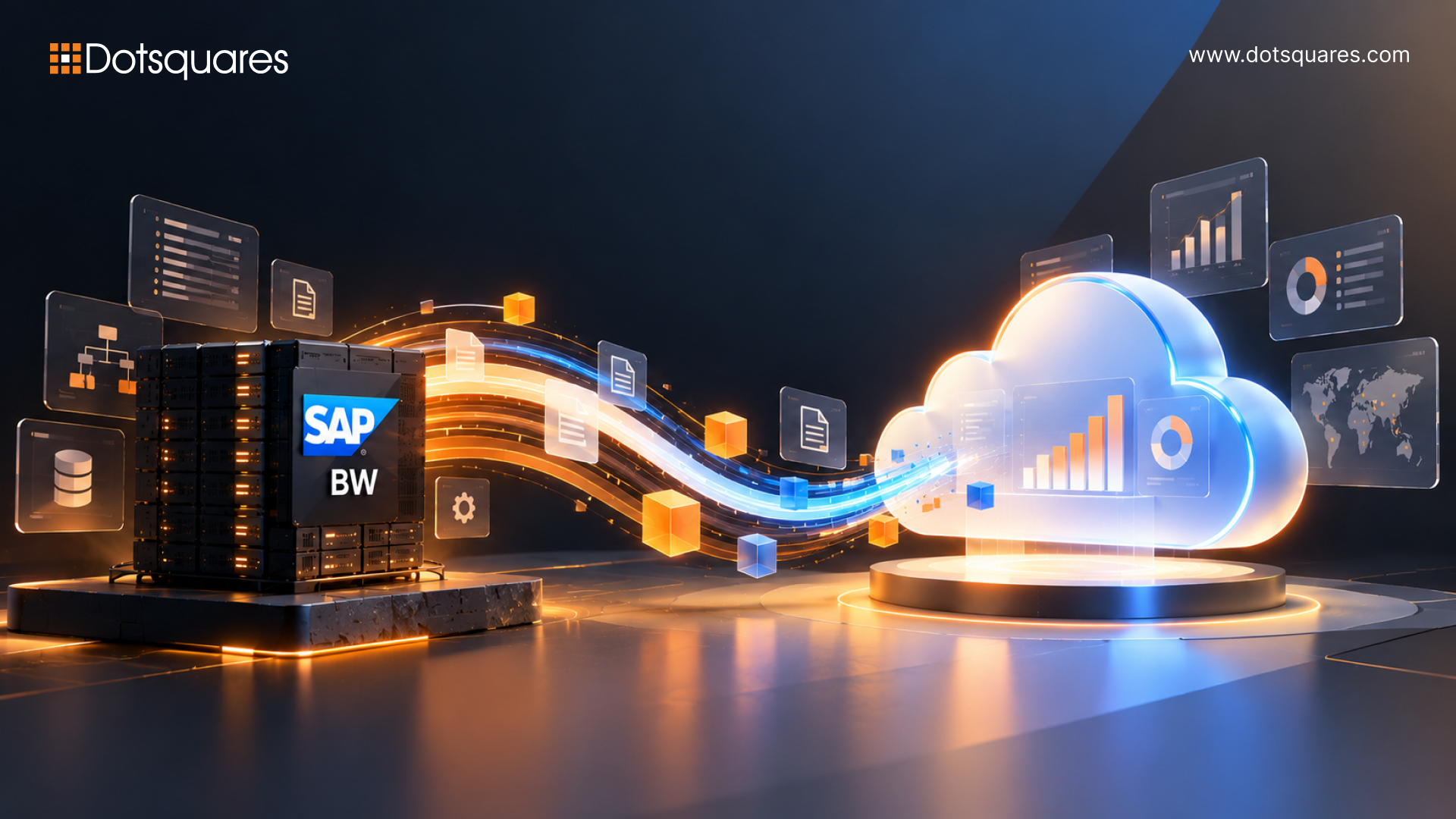 October 15, 2026
Learn about SAP BW to cloud migration, including benefits, challenges, AWS options, cost factors and planning steps for a successful migration.
Keep Reading