
Is Your Business AI-Ready?

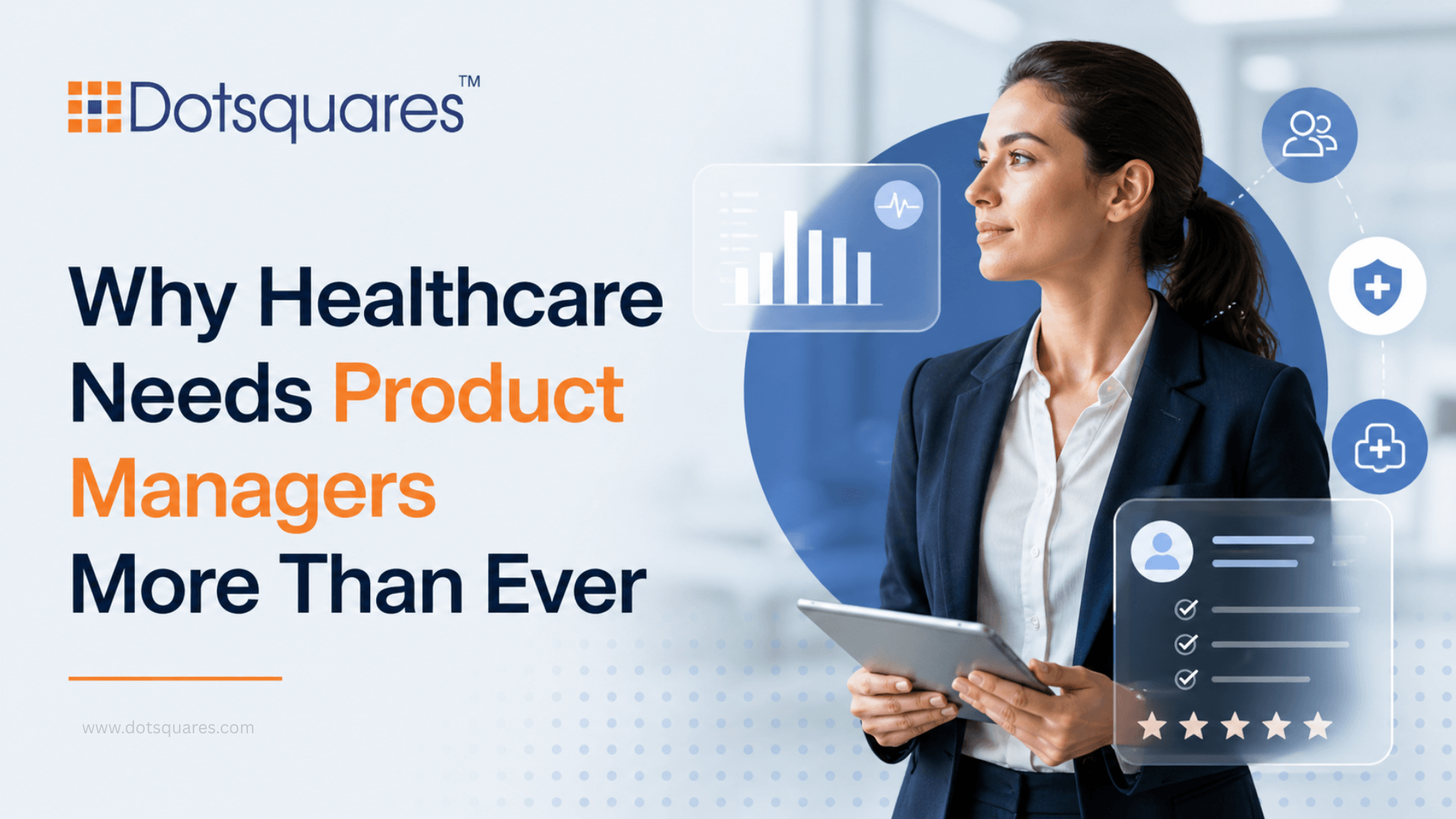
Healthcare has a technology problem, but not the one most people talk about.
It’s neither a shortage of developers nor a lack of funding for healthcare IT. The real problem is that too many digital health projects get built backwards. Engineering starts before the problem is properly understood. Features ship before anyone has watched a nurse actually use the system mid-shift.
The result? Technically sound software that clinical teams quietly stop using.
Fixing that doesn’t start in the codebase. It starts much earlier, with someone in the room asking the right questions before development even begins.
Imagine a mid-sized hospital that invests heavily in a custom patient portal. The development team is strong. The healthcare software development solutions are compliant and secure. The portal launches on time, under budget.
Six months later, adoption sits at 11%.
No one on the engineering side did anything wrong. What was missing was a product layer, someone who had mapped out how patients actually behave when they are unwell, anxious, or navigating a system they didn’t ask to join. Someone who would have caught that the appointment rescheduling flow required seven steps when patients needed two.
This is the gap that product managers fill. And in healthcare, that gap is expensive.
In healthtech software development, a product manager sits at the intersection of clinical reality, technical possibility and business constraint. Their job is translation, turning what a ward nurse needs at 6 am into something a developer can build and a compliance officer can approve.
More specifically, they:
Custom healthcare software that skips this layer tends to solve the problem that was described in a meeting rather than the problem that exists in a clinic.
Electronic Health Record (EHR) software solutions are the clearest case study in what happens when product thinking is absent. These systems are technically impressive. They handle massive volumes of data, integrate with labs and billing and run 24/7 across complex environments.
Yet clinicians routinely name EHRs as their biggest daily frustration. Alert fatigue is real, doctors receive so many automated notifications that they start dismissing all of them, including the ones that matter. Fields are out of order. Critical patient information is buried under tabs.
These are not engineering failures. The code works. These are product failures, decisions made early in the design process that nobody with clinical context signed off on.
The pattern repeats in healthcare mobile app development. Apps built for patients frequently fail adoption, not because they crash or load slowly, but because they don’t account for who’s actually using them: someone managing a chronic condition, unfamiliar with digital tools, trying to book a follow-up appointment while also feeling unwell.
Healthcare app development companies that lead with product research before development build apps that patients return to. Those that lead with features build apps that get uninstalled.
In most industries, bad software is an inconvenience. In healthcare, it affects care quality.
A poorly designed intake screen that adds four minutes per patient doesn’t just slow down IT metrics, but also affects how many patients a clinic can see in a day. A confusing medication reminder app that patients abandon doesn’t just hurt engagement numbers, it affects adherence.
This is why scalable HealthTech systems and custom AI-powered healthcare solutions carry particular risk without rigorous product thinking. An AI-assisted triage tool that wasn’t designed around actual clinical decision-making can erode trust in the whole system, regardless of how accurate the underlying model is.
When you plan to develop health IT solutions at scale, the margin for a misaligned product is slim.
None of this is a case against hiring strong engineers. Software experts who can build secure, performant, compliant systems are essential. The argument is simpler: their work becomes dramatically more effective when product strategy has already done the hard thinking upstream.
When product management leads:
Healthcare IT solutions built with this discipline ship better and last longer.
Healthcare is in the middle of a genuine digital shift. The demand for Healthcare Technology Solutions is rising sharply, and so is the cost of getting it wrong. Every misaligned system slows clinical teams, frustrates patients and consumes budget that could have gone into actual care.
The organisations seeing the best outcomes from their health IT investments aren’t necessarily the ones with the biggest engineering teams. They are the ones that treated product management as a core function from the start.
Looking to build healthcare software that clinical teams actually adopt, not just implement? Dotsquares brings product thinking and technical depth together.
Explore our Healthcare IT Solutions and let’s talk about what you are building.



 October 15, 2026
Learn how low-code integration connects business apps and APIs, its key benefits, common use cases, limitations, and when to choose custom integration.
Keep Reading October 15, 2026
Learn about SAP BW to cloud migration, including benefits, challenges, AWS options, cost factors and planning steps for a successful migration.
Keep Reading October 12, 2026
Learn how React Native works, where it saves time and cost, which industries use it, and whether it's still a good choice in 2026.
Keep Reading 5 min read